



48V/72V/96V High Primary Power Battery System Analysis (Including Structural Design, BMS and Thermal Management)
Electric vehicles and energy storage systems are widely used. As the core component, the performance and reliability of power batteries directly affect the safety and service life of the whole vehicle or system. Especially in extreme environments such as plateau, power batteries are facing many challenges, such as low temperature, reduced air pressure and difficulty in heat dissipation. This paper focuses on the high-powered battery system with three common voltage levels of 48V, 72V and 96V, and elaborates in detail from three aspects: battery structure design, battery management system (BMS) and thermal management, analyze its adaptability and key technologies in plateau environment.
I. Structural design of high-powered battery
1. Selection and assembly of battery cells
the basic unit of power battery is battery monomer, and the selection of lithium-ion batteries (such as lithium iron phosphate or ternary lithium battery) with stable performance and excellent low temperature resistance is the primary consideration in the design of high-power battery. The plateau area has low air pressure and thin oxygen content. The battery monomer needs to have good chemical stability and low temperature fluidity of electrolyte to ensure the safety and efficiency of the charging and discharging process.
For 48V, 72V and 96V power battery pack, the target voltage and capacity are usually realized through series-parallel combination. The structural design should fully consider the connection strength and electrical safety between the monomer, and adopt high-strength conductive connectors and insulation material to prevent the connection from loosening or short circuit due to vibration or temperature changes.
2. Battery pack Structural design
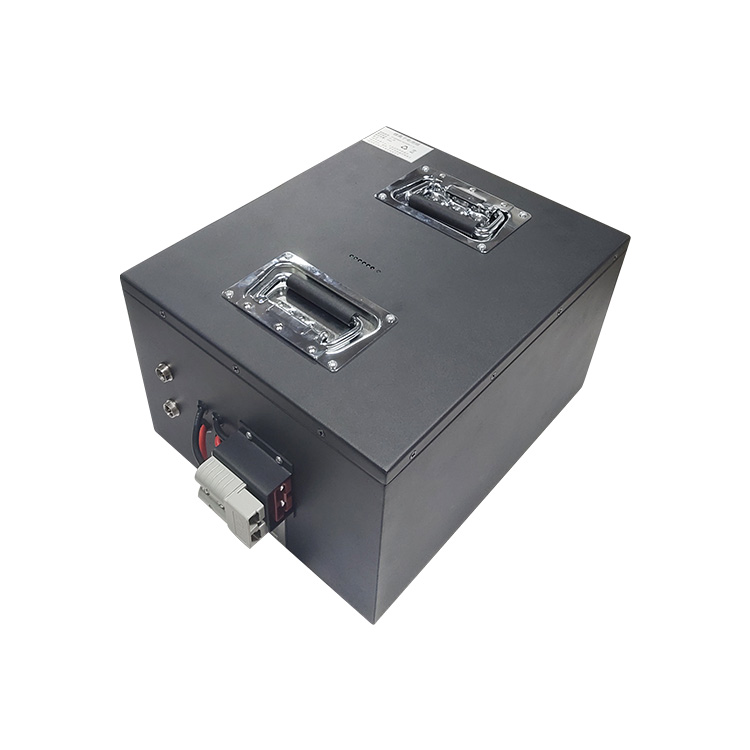
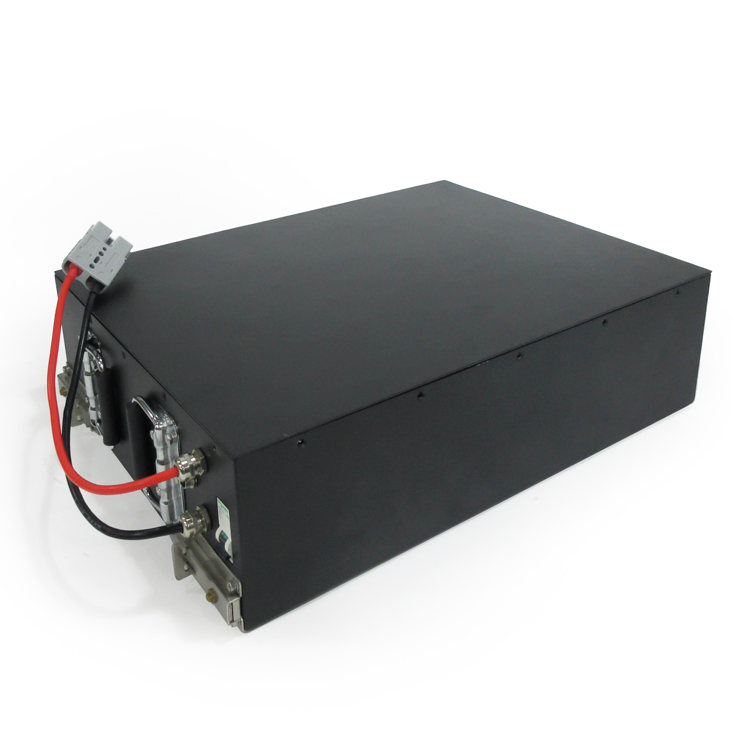
the wind force in the plateau environment is large and the temperature difference is significant. The battery pack structure should have good sealing and protective performance to prevent moisture and dust from entering and avoid internal corrosion and short circuit. Aluminum Alloy or high-strength plastic are commonly used as battery pack shell materials to ensure lightweight and enhance mechanical strength.
The interior of battery pack adopts modular design, which is convenient for maintenance and replacement. Buffer materials are used between modules to reduce vibration effects, and fire partitions are set at the same time to improve safety. The ultraviolet rays in the plateau environment are strong, and the surface of the shell is usually treated with anti-ultraviolet rays to prolong the service life.
3. Electrical interface and connection design
the electrical interface design of battery pack needs to meet the reliable connection of plateau low pressure and low temperature environment to prevent oxidation and poor contact. The connector with high waterproof and dustproof level is adopted to ensure long-term stable operation. At the same time, cables and joints should have good flexibility and cold resistance to prevent damage.
II. Battery management system (BMS)
1. Function overview
BMS is the "brain" of power battery system, responsible for monitoring battery status, balancing battery voltage, protecting battery safety and managing charging and discharging process. High-powered battery BMS needs to adapt to low temperature and low pressure environment to ensure stable operation of battery pack.
2. Status monitoring
BMS collects the voltage, current, temperature and other data of each monomer in the battery pack in real time. The temperature of plateau environment changes dramatically, and the arrangement of temperature sensors should be reasonable to ensure the accuracy of temperature monitoring. BMS determines the battery health status through monitoring data and detects abnormalities in time.
3. Battery balance
due to the differences in manufacturing and use among battery cells, unbalanced voltage will lead to reduced capacity and shortened service life. BMS adjusts the voltage of each monomer through active equalization or passive equalization technology to prolong the overall life of the battery pack.
4. Protection function
risks such as overcharging, overdischarging, overcurrent, short circuit, and abnormal temperature may occur during battery charging and discharging in plateau environment. BMS is equipped with multiple protection mechanisms to disconnect circuits or limit current in time to prevent accidents and ensure system safety.
5. Communication and data management
BMS support and vehicle control system or energy storage Management DepartmentEnables remote monitoring and data analysis. Real-time transmission of battery status through CAN bus or other communication protocols is convenient for maintenance and fault diagnosis.
III. Thermal management system design
1. Challenges of thermal management in plateau environment
in the plateau area, the air is thin, the temperature is low, and the temperature difference between day and night is large. The power battery will generate heat during the charging and discharging process, but the heat dissipation condition is poor. At the same time, low temperature will affect the chemical reaction rate of the battery and reduce the capacity and power output. Reasonable thermal management design is crucial to improving battery performance and life.
2. Passive thermal management scheme
passive Thermal Management mainly relies on battery pack structural design and material characteristics to realize the natural conduction and emission of heat. High thermal conductivity materials such as aluminum alloy shell, thermal conductive adhesive and thermal gasket are adopted to promote the uniform distribution of heat. Battery pack reasonable internal layout to avoid local overheating or supercooling.
In addition, by adding battery pack thermal insulation layer, the impact of low ambient temperature on the battery is reduced, and the battery is kept working in a suitable temperature range.
3. Active thermal management scheme
active thermal management system adopts air cooling, water cooling or liquid cooling technology, forced circulation cooling or heating battery pack. High-powered batteries mostly use air-cooled systems, which use fans to accelerate air flow and improve heat dissipation efficiency. Under extreme low temperature conditions, the system can preheat the battery through the heating device to ensure the starting performance and charging efficiency.
The liquid cooling system takes away the heat generated by the battery through cooling liquid circulation, which is suitable for high power density battery pack. The temperature control is more accurate, but the structure is complex and the cost is higher.
4. Thermal management system control
the thermal management system usually consists of a special control unit working together with the BMS to adjust the cooling or heating equipment working state in real time according to the battery temperature to ensure that the battery temperature is kept within a safe and efficient range.
48V, 72V and 96v Plateau power Battery the system has its unique requirements in structural design, BMS and thermal management to adapt to the special environmental conditions of the plateau. Through reasonable selection of battery cells, optimization of battery pack structure, improvement of battery management system and efficient thermal management design, the safety, stability and service life of power batteries in plateau environment can be significantly improved.

 Dongguan Juneng New Energy Technology Co., Ltd.
 137 5142 6524(Miss Gao)
 susiegao@power-ing.com
 Xinghuiyuan High tech Industrial Park, Dalang Town, Dongguan City, Guangdong Province

 Yue Gong Wang An Bei No. 4419002007491