System parameters
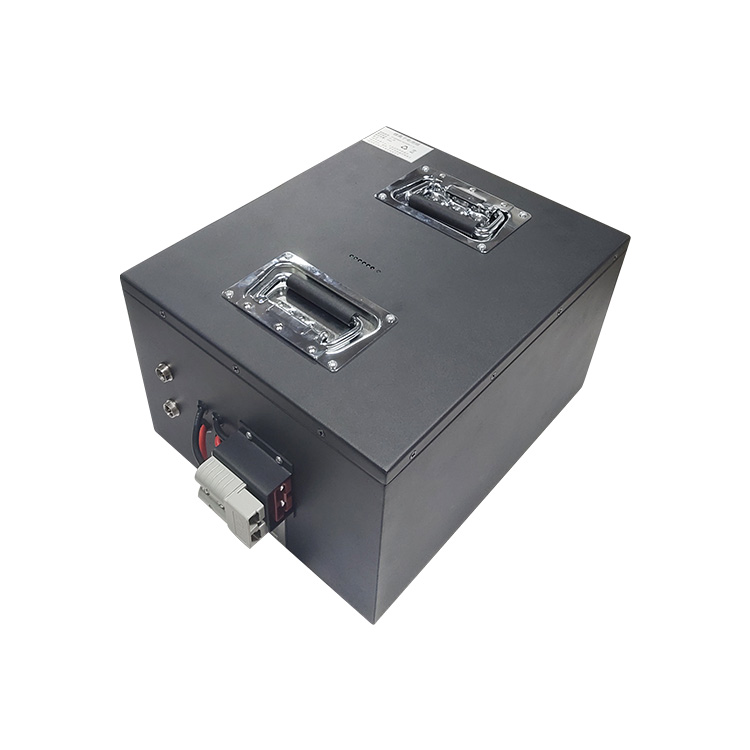
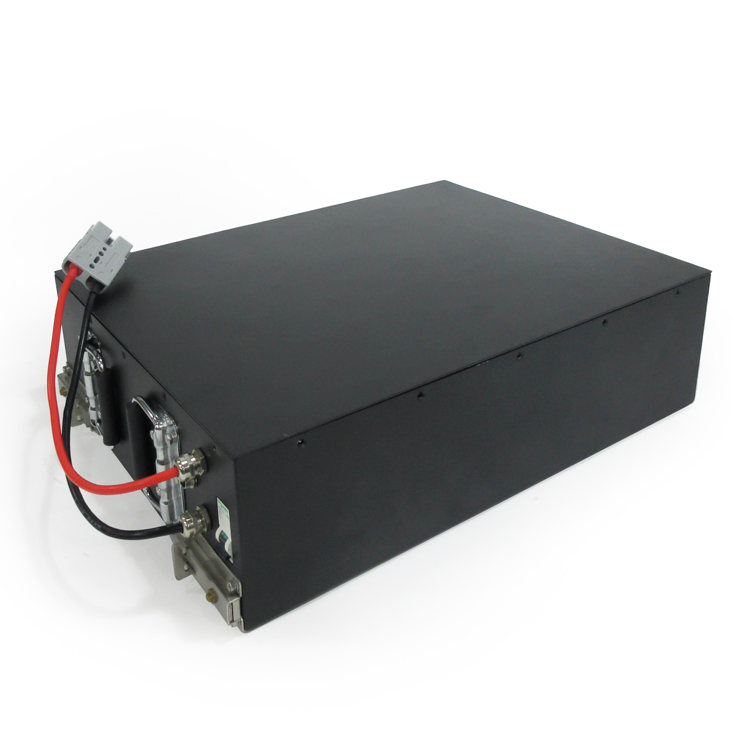
| system capacity |
10.75kwh |
21.5kwh |
| number of parallel batteries |
1 |
2 |
| battery pack capacity |
210Ah |
420Ah |
| weight |
170kg |
260kg |
| size |
580*350 * 1800mm |
580*350 * 1280mm |
| maximum input power |
7kw |
| maximum output power |
5kw |
| battery Type |
lithium iron phosphate |
| protection level |
IP40 |
| life |
≥ 2000 cycles |
adapt inverter parameters
| maximum input power |
7kw |
| maximum input current |
2 * 14A |
| maximum input voltage |
550V |
| number of MPPT |
2 |
| MPPT voltage range |
125~550V |
| rated output power |
5kw |
| rated output current </td>
| 21.7A |
| grid connection type |
L+N+PE |
| rated output voltage |
230V |
| grid voltage range |
180~270V |
| rated output frequency |
50/60Hz |
battery parameters
| battery rated voltage |
51.2V |
| battery Operating voltage |
40 ~ 58.4V |
| communication Interface |
CAN/RS232/RS485 |
| continuous charging current |
50A |
| continuous discharge current |
100A |
| peak charging current |
100A |
| peak discharge current |
110A |
| cooling mode |
natural cooling |
| waterproof grade |
IP40 |
| charging temperature |
0~60 ℃ |
| discharge temperature |
-20~60 ℃ |
| working environment humidity |
10%-90%RH |
EPS output
| rated output power |
5kw |
| rated output current |
21.7A |
Rated output voltage
230V |
| rated output frequency |
50/60Hz |
| THDU |
<2% |
three working modes
working mode 1: personal use (priority: load> Battery> power grid)
1. When photovoltaic, power grid and battery are available: when the solar energy is sufficient, power is supplied to the load, battery and power grid at the same time; When the solar energy is insufficient, the battery will assist in power supply; When the solar energy and battery are insufficient, photovoltaic, the battery and grid supply power to the load at the same time.
2. When photovoltaic and power grid have electricity (no battery): When the solar energy is sufficient, power is supplied to the load and power grid at the same time; When the solar energy is insufficient, photovoltaic and power grid supply power to the load at the same time.
3. When photovoltaic and battery are available (power grid is disconnected): When the solar energy is sufficient, power is supplied to the load and battery at the same time; When the solar energy is insufficient, photovoltaic and battery supply power to the load at the same time.
Working mode 2: peak adjustment
1. When photovoltaic, power grid and battery have electricity: A. When the solar energy is sufficient, power is supplied to the battery, load and power grid at the same time; When the solar energy is insufficient, the power grid supplies power to the load. B. During the period without charge and discharge, the solar power supply load takes precedence, and excess energy is transmitted to the power grid.
2. When the power grid and battery have electricity (photovoltaic disconnection): A. When charging, the power grid supplies power to the battery and load. B. When discharging, the battery power is excessive, and the battery supplies power to the load and the power grid at the same time; If the power is insufficient, the battery and the power grid supply power to the load at the same time.
Working mode 3: battery priority
1. When there is Photovoltaic, power grid and battery with electricity: when the solar energy is sufficient, power is supplied to the battery, load and power grid at the same time; When the solar energy is insufficient, the power grid supplies power to the battery and load at the same time.
2. Power grid and battery available (photovoltaic disconnection): the power grid supplies power to the load and charges the battery at the same time.





 Dongguan Juneng New Energy Technology Co., Ltd.
 137 5142 6524(Miss Gao)
 susiegao@power-ing.com
 Xinghuiyuan High tech Industrial Park, Dalang Town, Dongguan City, Guangdong Province

 Yue Gong Wang An Bei No. 4419002007491