



614.4V 100Ah Lithium Battery – Analysis of Engineering-Grade Specifications for High-Voltage Power Systems
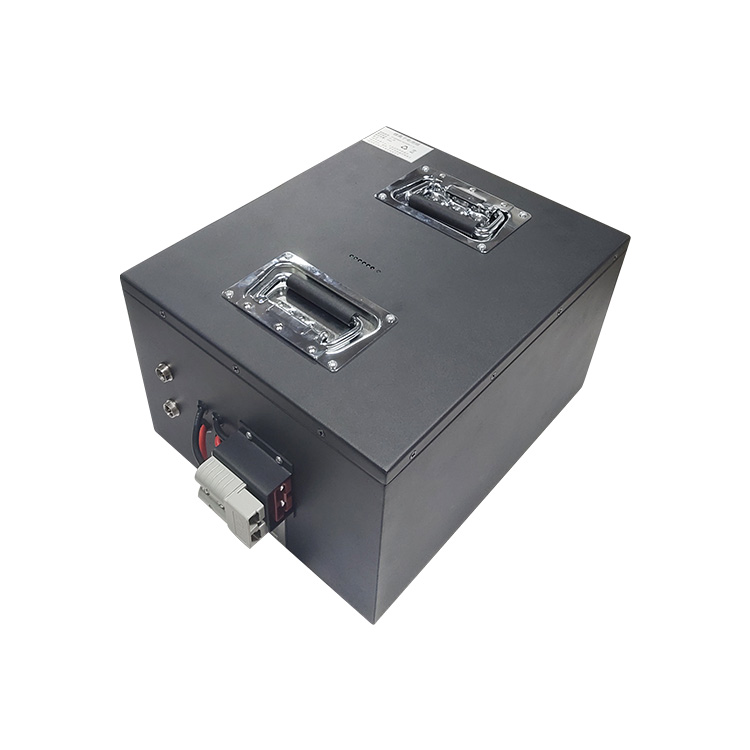
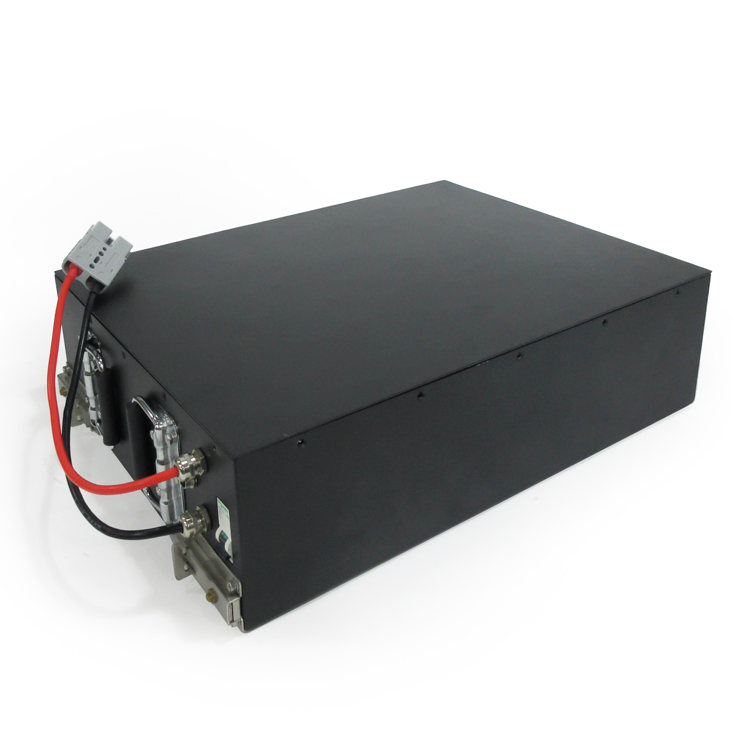
With the wide application of electric vehicles, energy storage systems and other high-voltage electrical equipment, the demand for lithium batteries is increasing day by day. Among them, 614.4V 100Ah lithium battery has become an ideal choice for many high-pressure power systems due to its high energy density, superior performance and long service life. This paper will deeply analyze the engineering grade specification of 614.4V 100Ah lithium battery, and discuss in detail from design, manufacture, test to application and other aspects.
I. Basic parameters of lithium battery
the basic parameters of 614.4V 100Ah lithium battery determine its application performance in high-pressure power system. The core parameters include:
- voltage: the rated voltage of 614.4V makes the battery suitable for applications requiring high voltage, such as electric vehicles and large energy storage systems.
- Capacity: the capacity of 100Ah means that the battery can provide large energy storage to meet the long-term power demand.
- Energy: the total energy of the battery can be calculated by the product of Overvoltage and capacity, which is about 61.44kWh. This energy reserve can support electric vehicles to travel long distances or provide continuous power output in the energy storage system.
- Cycle Life: the cycle life of high-quality lithium batteries is usually more than 2,000 times, which is suitable for long-term use.
II. Engineering design specifications
1. Battery unit design
battery cells are the basic components of lithium batteries. The chemical composition, structure and material selection of the battery should be considered when designing. Common lithium battery chemical systems include lithium iron phosphate (LiFePO4) and ternary lithium (NMC, NCA, etc.). Different chemical systems have different energy density and safety.
2. Modular design
614.4V 100Ah lithium battery usually consists of multiple battery cells. Modular design can improve the maintainability and scalability of the battery. Each module shall have an independent battery management system (BMS) to monitor, Equalize charging and diagnose faults of the battery cells.
3. Heat dissipation management
high-voltage lithium battery will generate heat in the working process, and reasonable heat dissipation management is very important. Heat dissipation schemes such as natural convection, force-air cooling or liquid cooling should be considered in the design to keep the battery working within a safe temperature range and prevent safety accidents caused by overheating.
4. Protection design
the battery system shall include multiple protection designs, such as overcharge protection, overdischarge protection, short circuit protection and temperature protection. These guaranteesProtective measures can effectively prevent the battery from malfunction under abnormal conditions and ensure the safety of the system.
III. Manufacturing standards
when manufacturing 614.4V 100Ah lithium battery, a series of standards and specifications should be followed to ensure the quality and performance of the product.
1. ISO certification
manufacturing enterprises should obtain ISO 9001 quality management system certification to ensure that their production process conforms to international standards and must be strictly controlled from raw material procurement to production process.
2. Battery test standard
testing shall be conducted in accordance with relevant battery testing standards during production, including:
- capacity Test: verify that the actual capacity of the battery meets the nominal value.
- Loop test: evaluate the performance changes of the battery after multiple charge and discharge.
- Security test: safety tests such as short circuit, overcharge, overdischarge, extrusion, and high temperature.
3. Environmental adaptability test
614.4V 100Ah lithium battery needs to undergo environmental adaptability test to ensure its reliability under different temperature, humidity and vibration conditions. This is particularly important for the practical application of electric vehicles and energy storage systems.
IV. Application field
614.4V 100Ah lithium battery is widely used in many fields, mainly including:
1. Electric vehicle
as the main application scenario of high-voltage power system, 614.4v 100Ah lithium battery can provide sufficient power support to realize long endurance and high-performance driving experience. Its high energy density enables vehicles to achieve larger battery capacity in a limited space and meet the needs of users.
2. Energy storage system
in the field of renewable energy storage, 614.4V 100Ah lithium battery is widely used in solar energy and wind energy storage systems. Its efficient energy conversion and storage capacity can effectively balance the grid load and provide stable power output.
3. Industrial applications
614.4V 100Ah lithium battery is also used in industrial equipment, such as electric forklift, unmanned carrier, etc. These equipments have higher requirements on power system, and lithium batteries rely on their high energy.Density and long service life make it an ideal choice.
614.4V 100Ah lithium battery as the core component of a high-pressure power system, its design, manufacture and application must follow strict engineering specifications. Through reasonable design and high standard manufacturing, 614.4V 100Ah lithium battery can play an important role in electric vehicles, energy storage systems and industrial equipment.

 Dongguan Juneng New Energy Technology Co., Ltd.
 137 5142 6524(Miss Gao)
 susiegao@power-ing.com
 Xinghuiyuan High tech Industrial Park, Dalang Town, Dongguan City, Guangdong Province

 Yue Gong Wang An Bei No. 4419002007491