

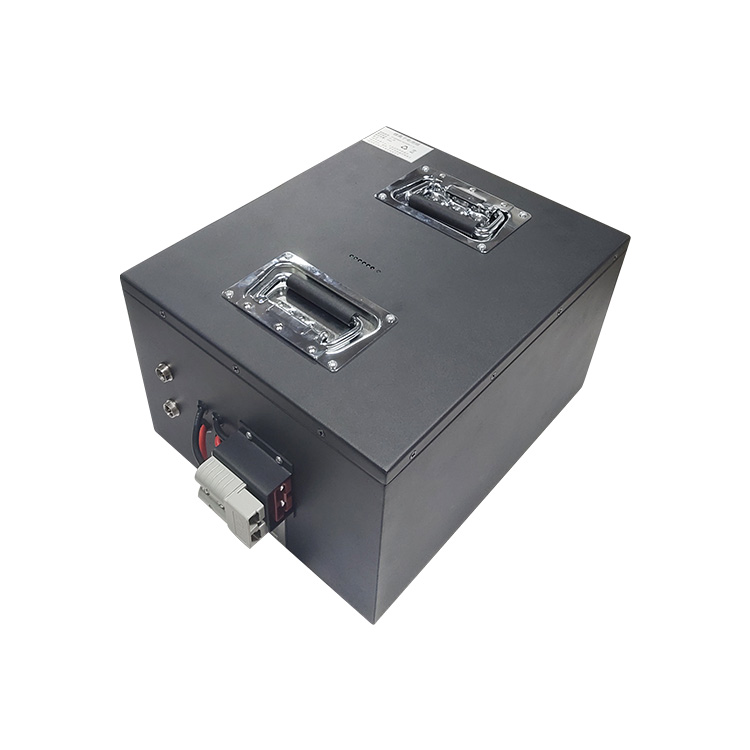


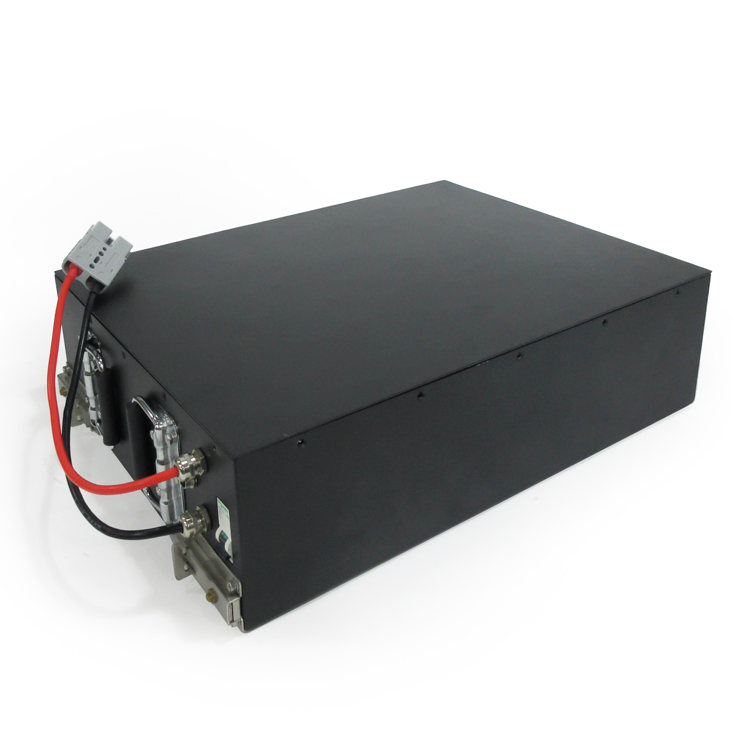
Brief Introduction of Power Lithium Battery Scheme of 540V Engineering Vehicle
The demand for efficient and environmentally friendly power systems in the construction machinery industry is constantly increasing. As an important component of the power supply solution for engineering vehicles, 540v power lithium battery solution is characterized by high voltage, high energy density, safety and reliability, it is widely used in various engineering vehicles, such as excavators, loaders, bulldozers, aerial work platforms, etc. This article will briefly introduce the power lithium battery scheme of 540v engineering vehicle, covering its composition structure, technical parameters, performance characteristics, application scenarios and precautions for installation and use, help understand the core advantages and application value of this solution.
I. Scheme overview
the 540v power lithium battery solution usually refers to a battery pack composed of multiple lithium-ion battery monomer series, with a nominal voltage of about 540V, which is suitable for the demand of engineering vehicles for high-voltage and high-power power power supply. This kind of battery pack is mainly lithium iron phosphate (LiFePO4) or ternary lithium battery, which has high energy density, long service life and excellent safety performance, and can provide continuous and stable power output for engineering vehicles.
II. Scheme structure
1. Battery monomer
the core of power lithium battery solution is high-performance battery monomer. Common cell type are:
- lithium iron phosphate battery (LiFePO4): high safety, long cycle life, good thermal stability, suitable for high-intensity use environment.
- Ternary lithium battery (NMC): higher energy density, small volume, light weight, suitable for engineering vehicles with high requirements on endurance and volume.
2. Battery module and assembly
battery cells are combined into modules in series and parallel, and multiple modules are regrouped to form the whole group of battery packs. Modular design facilitates production, maintenance and replacement. The 540v battery pack generally contains about 140 cells connected in series, and the specific number is determined according to the voltage and capacity of the cells.
3. Battery management system (BMS)
BMS is the "brain" of the battery pack. It is responsible for monitoring key parameters such as battery voltage, current, temperature, SOC (remaining battery power), SOH (battery health status) and so on to ensure safe and efficient operation of the battery. BMS also implements balanced management to prevent uneven power between cell, prolong battery life, and has protection functions such as overcharge, overdischarge, overcurrent, short circuit, and abnormal temperature.
4. Heat dissipation system
the working environment of engineering vehicle battery pack is complex, and the design of heat dissipation system is particularly important. Air cooling or liquid cooling technology is commonly used to ensure that the battery temperature is kept within a reasonable range to avoid performance degradation or potential safety hazards caused by overheating.
5. Shell and interface
the battery pack shell is made of high-strength protective materials and has the function of waterproof and dustproof, meeting the requirements of IP54 and above levels and adapting to harsh working conditions. The electrical interface design conforms to the high current transmission standard to ensure safe and reliable connection.
III. Main technical parameters
| parameter | typical value | description |
|---|---|---|
| nominal Voltage | 540V | determined by the series battery unit |
| rated Capacity | 100Ah ~ 200Ah (customizable) | the specific capacity is customized according to vehicle requirements. |
| 54kWh to 108kWh | rated capacity × rated voltage | |
| maximum charging current | 0.5C ~ 1C | according to battery design and BMS limits |
| maximum discharge current | 1C ~ 2C | supports high short-term discharge peak |
| operating temperature range | -20 ℃ ~ 60 ℃ | adapt to harsh working environment |
| cycle Life | ≥ 2000 times | maintain reasonable charging and discharging strategies can be achieved |
| self-discharge rate | ≤ 3%/month | |
| protection level | IP54 and above | dustproof and waterproof to meet open work needs |
| weight | about 300kg ~ 500kg | depending on capacity and structure design |
IV. Performance characteristics
1. High voltage and high power output
540v high-voltage design meets the demand of engineering vehicles for high-power power, realizes high-efficiency motor drive, and improves vehicle power performance and operation efficiency.
2. Long service life and high reliability
using high-quality cell and advanced BMS technology, it can withstand long-term high-intensity charge-discharge cycles, with a cycle life of more than 2,000 times, significantly reducing the replacement frequency and maintenance cost.
3. Superior security performance
lithium iron phosphate battery itself has thermal stability, with multiple security protection and perfect heat dissipation system of BMS, to ensure the safe operation of battery pack under extreme working conditions such as high temperature and overcurrent.
4. Wide temperature adaptability
it supports the working temperature range from-20 ℃ to 60 ℃ and is suitable for various complex working conditions, including cold winter and high temperature summer working environment.
5. Modular design for easy maintenance
the modular structure facilitates quick on-site replacement and maintenance, reduces shut down time, and improves vehicle operation efficiency.
V. Application scenarios
540v power lithium battery solution is mainly applied to all kinds of medium and large engineering vehicles, specificInclude:
- excavator: high power output supports hydraulic system and walking drive to improve operation efficiency.
- Loader: long endurance meets the requirements of continuous loading and unloading operations.
- Bulldozer: high stability ensures power supply under harsh terrain.
- Aerial Work Platform: safe and stable power supply ensures the safety of operators.
- Concrete pump truck, lorry crane and other special engineering vehicles: meet the power requirements of multiple working conditions.
VI. Precautions for installation and use
1. Environmental requirements
the battery pack should be installed in a well ventilated, dry, non-corrosive gas and dust environment to avoid direct sunlight and high temperature places.
2. Connection and fixation
make sure that the electrical connection of the battery pack is correct and firm to prevent looseningPoor contact. Professional tools and fasteners should be used during installation to avoid vibration and collision.
3. Charge and discharge management
use charging equipment that meets the specifications to avoid overcharge and overdischarge and prolong battery life. Regularly check the running status of the BMS to ensure that the security protection function is normal.
4. Temperature Monitoring
pay attention to the temperature change of the battery pack and enable the heat dissipation system when necessary to prevent overheating from affecting the performance and safety.
5. Regular maintenance
regularly check the appearance, connector and heat dissipation system of the battery pack, clean up dust and dirt in time, and ensure good heat dissipation and safety performance.
The power lithium battery solution of 540v engineering vehicles meets the requirements of engineering vehicles for high power and high reliability power sources through high voltage design, high quality cell selection, advanced battery management system and perfect safety protection. Its long service life, wide temperature adaptability and modular maintenance advantages make it the key technical support in the electrification transformation of construction machinery.

 Dongguan Juneng New Energy Technology Co., Ltd.
 137 5142 6524(Miss Gao)
 susiegao@power-ing.com
 Xinghuiyuan High tech Industrial Park, Dalang Town, Dongguan City, Guangdong Province

 Yue Gong Wang An Bei No. 4419002007491