



Complete Design Solution for Lithium-Battery-Powered Autonomous Guided Vehicles (AGVs)
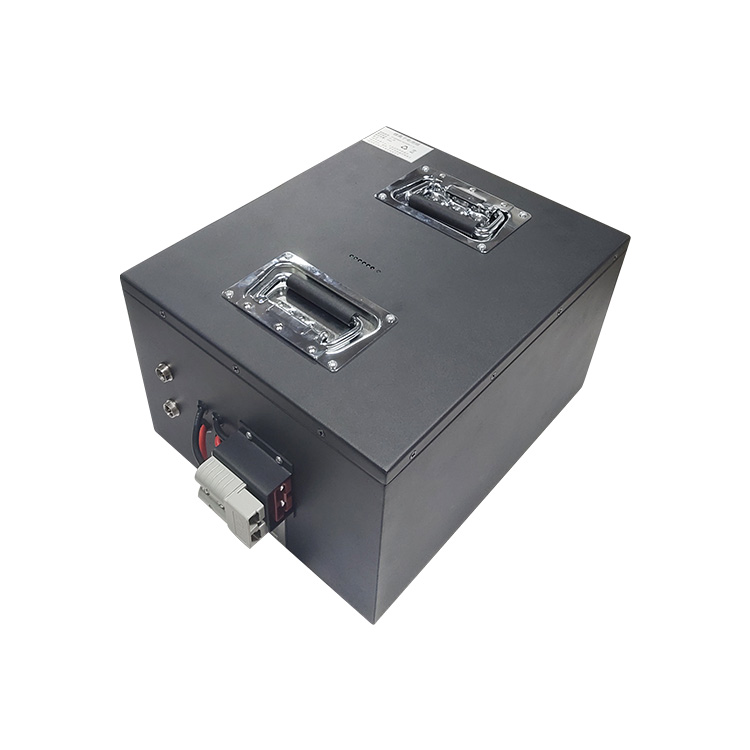
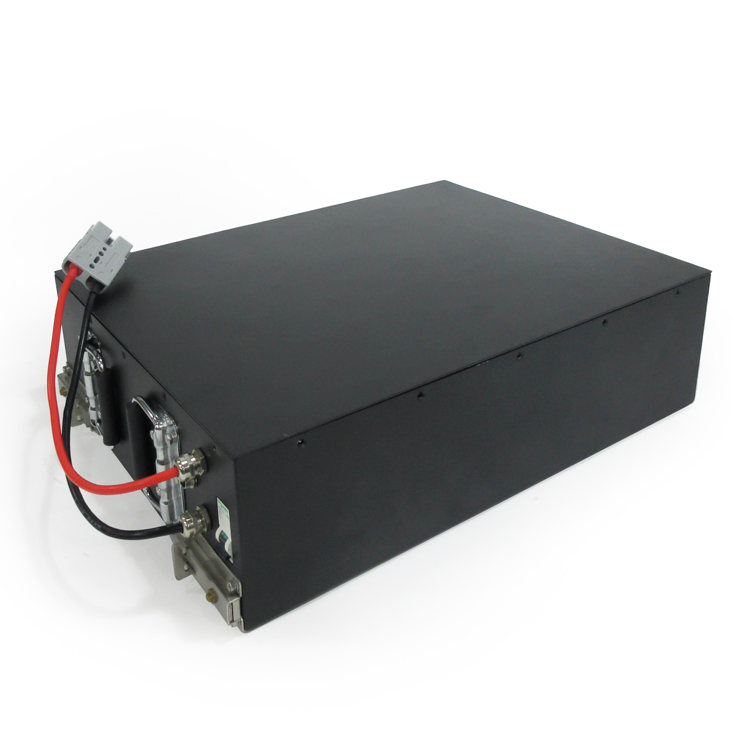
Latent AGV(Underride Automated Guided Vehicle), as one of the most common autonomous mobile devices in modern intelligent warehousing, intelligent manufacturing and Automated logistics systems, has gradually become an important tool for enterprises to realize efficient logistics. Its design involves not only the optimization of mechanical structure and control system, but also the design of lithium battery as the core power source of AGV. This article will discuss in detail the complete design scheme of lithium battery of latent AGV, including battery selection, system integration, charging strategy, maintenance and management, etc.
I. Lithium battery selection
in the design of latent AGV, the selection of lithium battery has a significant impact on its overall performance. The following are the key factors that affect battery selection:
1. Battery type
common lithium batteries on the market include lithium ion batteries and lithium iron phosphate batteries. For the application of AGV, lithium iron phosphate battery is widely used because of its excellent safety and thermal stability. In addition, lithium iron phosphate battery has a long cycle life and is suitable for frequent charging and discharging applications.
2. Energy density and power density
select the appropriate battery energy density (Wh/kg) and power density (W/kg) is the key to ensure the efficient operation of AGVs. Batteries with high energy density can prolong the working time of AGVs, while high power density ensures the performance of AGVs under the condition of fast response and high load. Therefore, the two should be considered comprehensively in the design to match the actual working requirements of AGVs.
3. Battery capacity and voltage
the capacity of the battery directly affects the endurance of the latent AGV, which needs to be accurately calculated according to the load and task cycle of the AGV. In addition, the working voltage of the battery should be matched with the electronic control system of the AGV to ensure the safety and stability of the whole vehicle.
II. System integration
when designing the latent AGV lithium battery system, it is very important to integrate the battery with the direction of the AGV, the coordination of the suspension system, sensors and other equipment.
1. Physical layout
determining the physical layout of the battery is an important link to ensure the stable operation of the AGV. The battery should adopt a compact design, which is suitable for the structure of the AGV chassis. At the same time, the heat dissipation effect of the battery should be ensured to improve the working efficiency of the system.
2. Battery management system (BMS)
battery Management System is the core of connecting battery and AGV control system. BMS monitors the voltage, temperature, charging status and other parameters of the battery, and provides real-time data feedback to ensure that the battery runs within a safe range. In addition, BMS also has the function of balanced charging, which can prolong the service life of the battery.
3. Communication protocol
in latent AGVs, the battery must transmit data with the main control system to realize status monitoring and remote control. Selecting appropriate communication protocols (such as CAN, bus or RS-485) CAN ensure reliable data transmission and real-time performance.
III. Charging strategy
effective charging strategy is a key component to ensure efficient operation of latent AGVs.
1. Fast charging and balanced charging
the fast charging technique can supplement energy for AGVs in a short period of time and is suitable for high-frequency use environment. At the same time, balanced charging technology plays an important role in preventing uneven charging in the battery pack and improving battery life.
the design of automatic charging pile can greatly improve the utilization rate of AGV. After completing the task, the AGV can automatically drive into the charging pile, and the system will complete the charging without operation. This design improves the intelligence level of the system.
3. Charging management system
the charging management system should not only have the charging scheduling function, but also be able to monitor the safety and efficiency during the charging process. Reasonable charging management can help reduce charging time and ensure the safety of the battery.
IV. Maintenance Management
regular maintenance of latent AGV lithium battery system is a necessary guarantee to ensure its long-term stable operation.
1. Regular inspection
the physical condition of the battery, the function of the battery management system, and the charging equipment should be checked regularly to ensure that problems are found and handled in time to avoid causes. Battery the failure causes the AGV to stop.
2. Data recording and analysis
by recording and analyzing data such as battery status, charging times, and service cycle, the O & M team can better grasp the battery usage and then formulate targeted maintenance plans.
3. Replacement and recycling
after the battery reaches its service life, it should be professionally recycled according to environmental protection regulations to avoid affecting the environment. In addition, the replacement strategy of new batteries should be reasonably selected to ensure the continuous and efficient operation of the AGV system.
The lithium battery design scheme of latent AGV is a system engineering, involving battery selection, system integration, charging strategy, maintenance and management, etc. Through scientific and reasonable design and management, we can maximize the performance of latent AGVs and improve their application value in intelligent warehousing and automated logistics.

 Dongguan Juneng New Energy Technology Co., Ltd.
 137 5142 6524(Miss Gao)
 susiegao@power-ing.com
 Xinghuiyuan High tech Industrial Park, Dalang Town, Dongguan City, Guangdong Province

 Yue Gong Wang An Bei No. 4419002007491