



Complete Solution of Emergency Rescue UAV Battery System
With the continuous maturity of UAV technology, UAV is increasingly widely used in the field of emergency rescue. As the core power source of UAV, the performance of battery system directly determines the endurance, stability and safety of UAV. In response to the special needs of emergency rescue unmanned aerial vehicles, the company has developed a complete set of battery system solutions aimed at providing efficient, reliable and safe energy support to ensure the stable operation of unmanned aerial vehicles in complex environments, improve rescue efficiency. This article will introduce in detail the design concept, structure composition, performance characteristics and application advantages of emergency rescue UAV battery system.
I. Battery system design concept
emergency rescue unmanned aerial vehicles usually need to perform tasks in complex and changeable environments, such as mountain search, material delivery in disaster areas, fire reconnaissance, etc. For the battery system, besides high energy density and long endurance, it also needs to have good safety performance, fast charging and discharging ability and environmental adaptability. The battery system design is based on the following core concepts:
- high energy density: ensure that the UAV has sufficient flight time and load capacity.
- Safe and stable: prevent overcharge, overdischarge, short circuit, and abnormal temperature through multiple protection mechanisms to ensure safe use.
- Fast charging: supports fast charging technology to shorten battery replacement and charging time and improve rescue response speed.
- Modular design: easy to replace and maintain, adapt to different models and different mission reguirement unmanned aerial vehicles.
- strong environmental adaptability: able to work stably in harsh environments such as high temperature, low temperature and high humidity.
II. Battery system structure
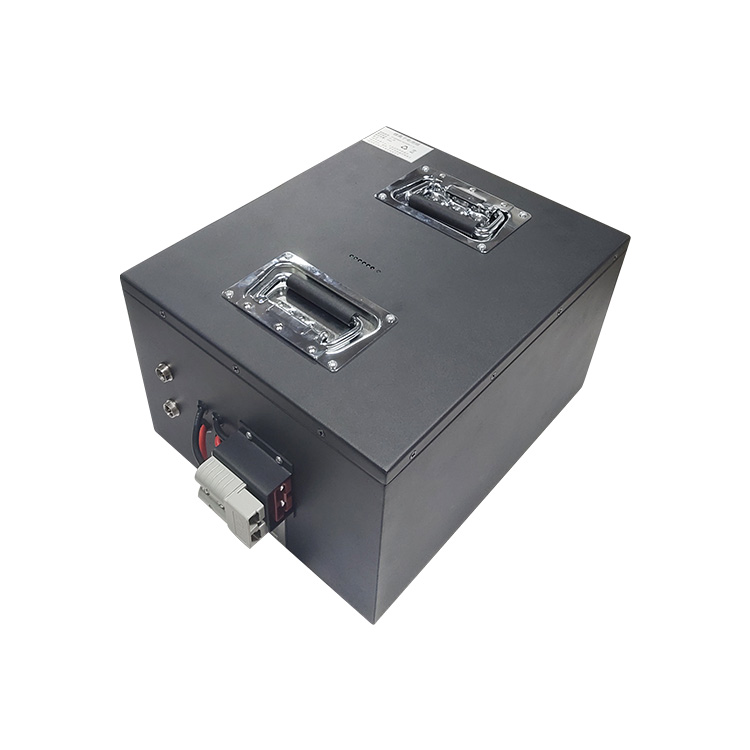
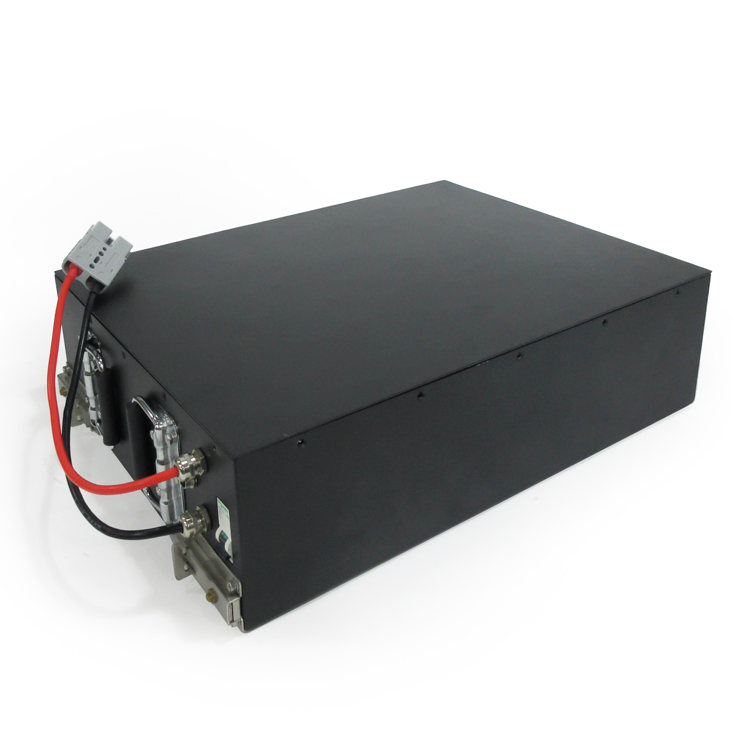
the emergency rescue UAV battery system mainly includes four parts: battery pack, battery management system (BMS), charger and Battery shell, forming a complete energy system.
1. Battery pack
the battery pack adopts high-performance lithium-ion battery monomer, and realizes the required voltage and capacity through reasonable series-parallel combination. Lithium-ion batteries have the advantages of light weight, high energy density and long cycle life, and are suitable for unmanned aerial vehicles. Battery cells are strictly screened to ensure consistency and stability.
2. Battery management system (BMS)
BMS is the core component to ensure the safety and performance of the battery. It is responsible for monitoring the voltage, current, temperature and status of the battery in real time, and collecting and processing data. BMS provides the following functions:
- overcharge and overdischarge protection: prevent the battery voltage from exceeding the safety range.
- Short circuit protection: quickly respond to abnormal current to avoid damage and safety accidents.
- Temperature Management: monitor temperature changes to prevent the battery from overheating or supercooling.
- Balanced charging: balance the single voltage of each battery to prolong the battery life.
- Fault diagnosis and alarm: find the battery abnormality in time and prompt the operator.
3. Charger
the charger adopts intelligent charging technology, supports constant current and constant voltage charging mode, and is compatible with fast charging requirements. It has multiple safety protection functions to prevent overcharging and charging failures. The charger interface design is standardized to facilitate quick battery replacement on site.
4. Battery shell
in order to cope with the complex rescue environment, the battery shell is made of high-strength lightweight materials with waterproof, dustproof and seismic performance. The shell design conforms to the UAV Installation Standard, ensuring the close combination and stable connection between the battery system and the fuselage.
III. Battery System Performance characteristics
battery System by optimizing the selection and combination of battery cells, the energy density can be improved to the maximum extent, so that the UAV can still achieve a long-time continuous flight under the full load condition, meeting the needs of long-distance search and rescue and long-time patrol.
2. Excellent security performance
integrated with advanced BMS and multiple protection mechanisms, the battery can operate safely under various working conditions. The battery pack has passed a number of safety tests, including overcharge, discharge short circuit, vibration and shock tests to ensure the reliability of rescue tasks.
3. Fast charging and convenient replacement
supports fast charging technology, which can restore battery capacity in a short time and reduce standby time. The modular battery design makes the replacement process simple and efficient, which facilitates the rapid deployment and continuous operation of rescue personnel.
4. Strong environmental adaptability
after special design and material selection, the battery system can operate stably in the temperature range of minus 20 ℃ to 60 ℃ and adapt to various extreme gases.Waiting conditions. At the same time, it has waterproof and dustproof levels to ensure normal operation in rain, snow and dust environments.
5. Intelligent monitoring and maintenance
through real-time communication between BMS and ground monitoring equipment or UAV control system, the battery health status is ensured to be transparent, which facilitates preventive maintenance and timely troubleshooting, and improves the overall service life and reliability of the system.
IV. Application advantages and practical significance
the design and performance advantages of emergency rescue UAV battery system provide a solid guarantee for the application of UAV in emergency rescue.
- Improve rescue efficiency: long endurance and fast charging capability ensure that the UAV can continuously perform tasks and respond to emergencies in a timely manner.
- Ensure task Security: multiple security protection reduces the risk of battery failure and protects the safety of equipment and operators.
- Adapt to complex environments: high environmental adaptability enables unmanned aerial vehicles to go deep into disaster areas and perform tasks on complex terrain without fear of adverse climate effects.
- Easy maintenance and cost reduction: modular design and intelligent management reduce maintenance difficulty and cost to ensure long-term stable operation of equipment.
- Enhanced systemUnified Association: realize seamless connection between battery status and UAV's overall system through intelligent monitoring platform, and optimize task scheduling and energy management.
The battery system of emergency rescue UAV provides powerful energy support for UAV in the field of emergency rescue by virtue of its high energy density, safety and stability, fast charging and strong environmental adaptability. The modular design and intelligent management of the system further improve the convenience of use and maintenance efficiency, ensuring that unmanned aerial vehicles can continuously and efficiently complete rescue tasks in various complex environments.

 Dongguan Juneng New Energy Technology Co., Ltd.
 137 5142 6524(Miss Gao)
 susiegao@power-ing.com
 Xinghuiyuan High tech Industrial Park, Dalang Town, Dongguan City, Guangdong Province

 Yue Gong Wang An Bei No. 4419002007491