



Design Battery and Application Conditions of AGV Car
In modern automated logistics and industrial production, automated guided vehicle (AGV), as an efficient means of transportation, is widely used in factories, warehouses and distribution centers. The performance and reliability of the AGV car depend largely on its battery design and application conditions. This article will deeply discuss the types, design considerations and application conditions of batteries required by the AGV car, so as to help enterprises make more scientific decisions when selecting and using the AGV.
I. Battery type of AGV car
an AGV car usually requires batteries with high energy density and long endurance to support its stable operation in complex environments. The following are several common battery types:
1. Lead acid battery
lead-acid battery is one of the commonly used battery types in AGV cars and is widely used because of its relatively low cost. Lead-acid battery has good discharge characteristics and is suitable for providing high current output in a short time. However, due to its low and heavy energy density, it is suitable for the vehicle with small load or short running time.
2. Lithium ion battery
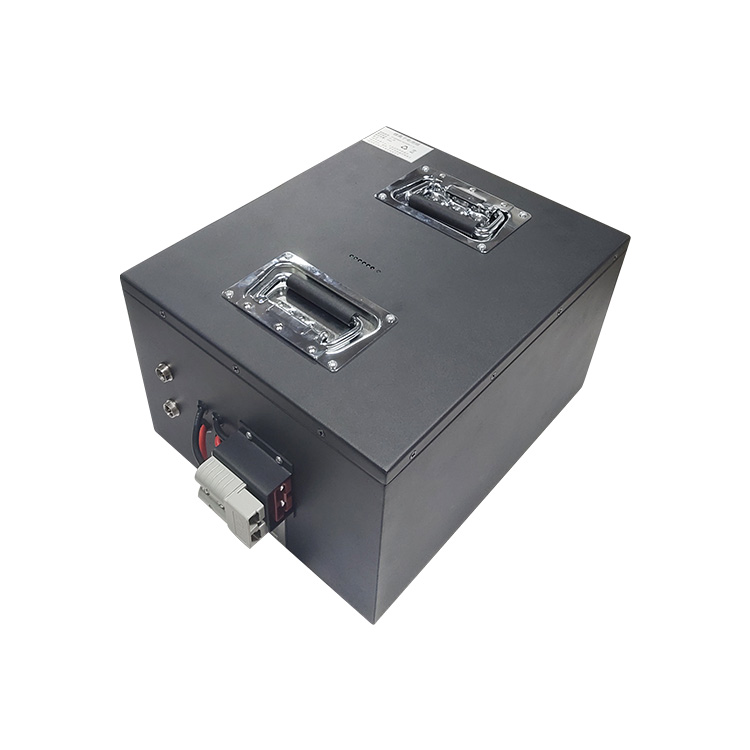
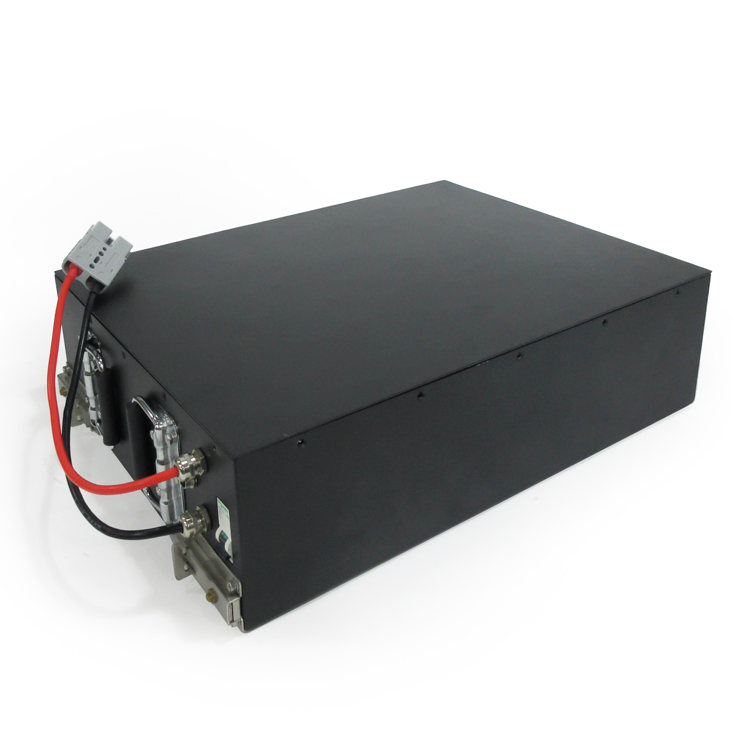
lithium-ion batteries have gradually become the preferred battery for AGV cars due to their high energy density and long service life. Compared with lead-acid batteries, the volume of lithium-ion batteriesIt is small and lightweight, and can provide longer battery life for the ATV car. In addition, lithium-ion batteries have low self-discharge rate and less maintenance requirements, and are suitable for high-frequency charging and discharging.
3. Fuel cell
fuel Cell is a type of cell that reacts hydrogen and oxygen to generate electric energy. In recent years, it has gradually attracted attention in the vehicle of AGV. Fuel cell has high energy conversion efficiency and fast charging capability, and is suitable for long-time and high-intensity working environment. However, the cost of fuel cells is relatively high, and the storage and transportation of hydrogen also need to consider the safety issues.
II. Battery design considerations for AGV car
in design battery of AGV car several factors need to be considered to ensure its performance and security:
1. Energy density
energy density is one of the most important indexes in battery design. Batteries with high energy density can store more electric energy in a limited space, thus prolonging the battery life of the AGV car. When selecting a battery, the energy density of the battery and the design size of the AGV trolley should be considered comprehensively.
the charging time directly affects the use efficiency of the AGV car. The application of fast charging technology can significantly reduce the charging time and enable the ATV car to be put into use faster. The charging characteristics of the battery should be considered in the design to ensure efficient charging in a short time.
3. Cycle life
cycle Life refers to the number of times the battery can bear during charging and discharging. Battery with long cycle life can reduce replacement frequency and operation cost. Lithium-ion batteries usually have a longer cycle life, in contrast, lead-acid batteries have a shorter cycle life.
4. Temperature adaptability
the ATV car operates under different environmental conditions, so the temperature adaptability of the battery is very important. Extreme temperatures (too high or too low) may affect the performance and safety of the battery. When designing a battery, it is necessary to consider its working performance at various temperatures and take corresponding heat dissipation or heating measures.
5. Security
safety is an important part of battery design. Whether it is a lithium-ion battery or a lead-acid battery, overcharging, overdischarging or short circuit may lead to potential safety hazards. Therefore, inIn the battery design, protection circuit and monitoring system should be added to ensure the safety of the battery in the working process.
III. Application conditions of AGV car
the application conditions of the AGV car have a direct influence on the selection and design of the battery. The following are the key application conditions:
1. Working environment
AGVs usually operate in an industrial environment, including warehouses, production lines, distribution centers, etc. The temperature, humidity and dust level of the working environment will affect the performance of the battery. In humid or dusty environments, batteries with waterproof and dustproof capabilities should be selected to reduce the risk of damage.
2. Load capacity
the load capacity of the AGV car directly affects the selection of the battery. The high-load AGV trolley needs batteries with higher current output to ensure its stable performance during transportation. Therefore, it is necessary to evaluate the maximum load and operating efficiency of the AGV trolley and select the appropriate battery type during the design.
3. Running cycle
4. Charging facilities
the configuration of charging facilities is also an important factor in the use environment of the AGV car. It is necessary to ensure that the number and location of charging equipment can meet the charging requirements of the AGV car and avoid the reduction of working efficiency caused by insufficient charging facilities.
5. System integration
an AGV trolley usually needs to be integrated with other equipment and systems, such as the Department of Logistics Management System and other automation equipment. When designing the battery, the coordination between it and the whole vehicle system should be considered to ensure that the performance of the battery can meet the operation requirements of the whole system.
The battery design of the AGV car is closely related to the application conditions. Reasonable battery selection and design can effectively improve the performance and use efficiency of the AGV car. Through in-depth understanding of the types, design considerations and application conditions of batteries required by the AGV trolley, enterprises can better select suitable batteries, thus improving the overall efficiency of the automated transportation system.

 Dongguan Juneng New Energy Technology Co., Ltd.
 137 5142 6524(Miss Gao)
 susiegao@power-ing.com
 Xinghuiyuan High tech Industrial Park, Dalang Town, Dongguan City, Guangdong Province

 Yue Gong Wang An Bei No. 4419002007491