



The differences between robotic lithium batteries and conventional lithium batteries
Under the background of rapid development of science and technology, lithium battery, as an important power supply solution, is widely used in various electronic products, including mobile phones, notebook computers, unmanned aerial vehicles and robots. Although robot lithium batteries are similar to conventional lithium batteries in basic chemical composition, they have significant differences in design, performance, application and management. This article will discuss in detail the differences between these two types of lithium batteries.
I. Design and construction
1. Battery Specifications
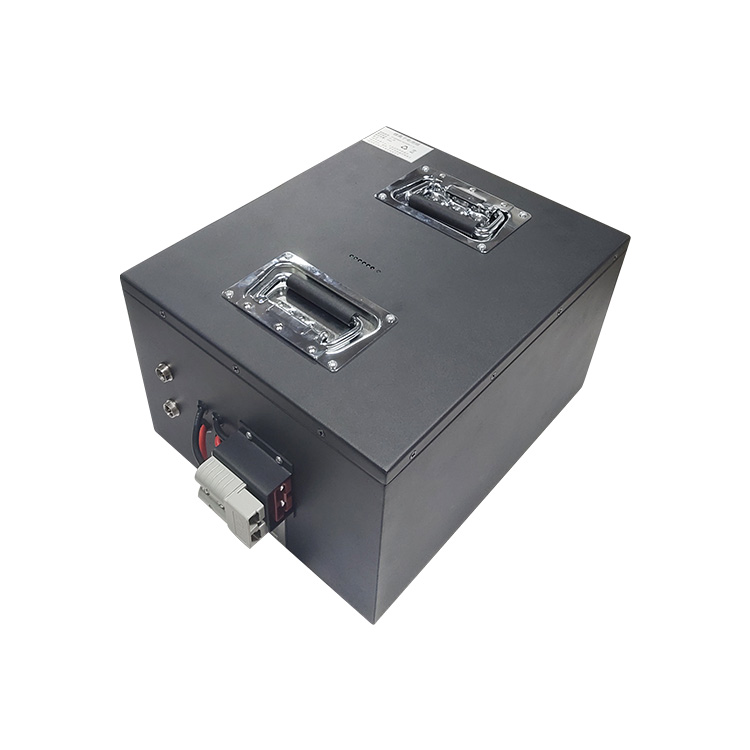
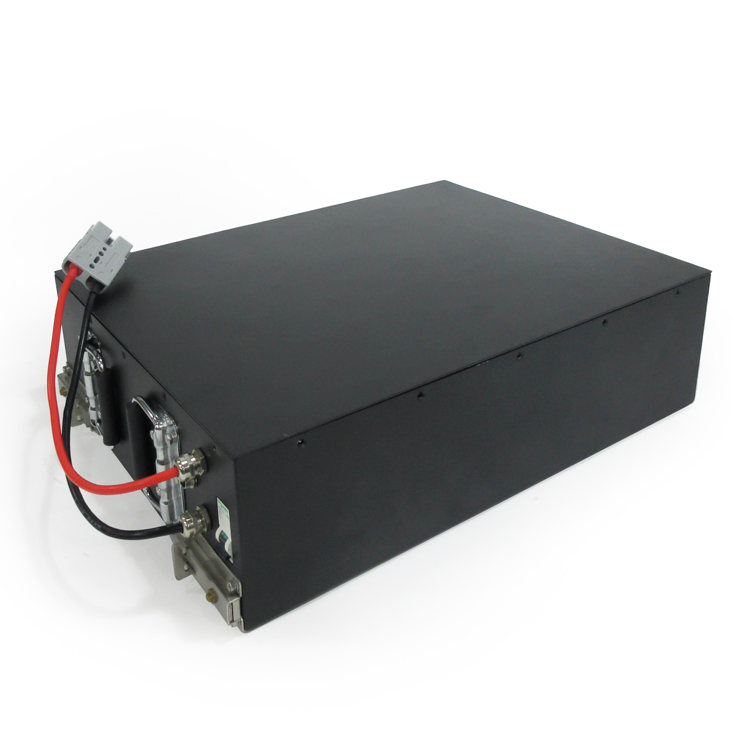
lithium batteries of robots usually need to meet specific volume and weight requirements to meet the design and functional requirements of robots. Different from conventional lithium batteries, the design of robot lithium batteries often takes into account the robot's motion mode, load capacity, running time and other factors. This makes the robot lithium battery may be different in shape, size and capacity to ensure that it can be better integrated into the robot structure.
2. Battery management system (BMS)
robot lithium batteries are usually equipped with more complex battery management system (BMS) to realize real-time monitoring and management of battery status. BMS can monitor the battery voltage, temperature, charge and discharge status and other parameters to ensure that the battery runs within a safe range. In contrast, the BMS design of conventional lithium batteries is relatively simple, which is mainly used to protect the batteries from overcharge, overdischarge or short circuit.
II. Performance and application
1. Discharge Characteristics
robot lithium batteries generally need to have a high discharge rate to support the high power demand of robots. Under the condition of fast movement and high load, the battery needs to be able to provide instantaneous high current output to ensure the normal operation of the robot. However, conventional lithium batteries are mainly used for relatively stable loads, and their discharge characteristics can be smoother to meet the power requirements of daily electronic equipment.
2. Cycle life
the cycle life of lithium batteries of robots is usually higher, because robots need to charge and discharge frequently during the working process. In order to prolong the service life of batteries, robot lithium batteries usually adopt higher quality materials and better manufacturing processes to reduce capacity attenuation and battery aging. However, the use environment of conventional lithium batteries is relatively stable, and the cycle life requirements are relatively low.
III. Charging and maintenance
1. Charging speed
the robot lithium battery general design supports fast charging to reduce the downtime of the robot at work. This feature requires a long time to runOr robots that need to restore energy in a short period of time are particularly important. In contrast, the charging speed of conventional lithium batteries is usually slow, which is suitable for relatively stable charging requirements in daily use.
2. Maintenance and monitoring
because the use environment of robot lithium battery is relatively complex, the maintenance and monitoring requirements are also stricter. Robots usually work in different environments, such as large temperature changes and high humidity, which requires the battery management system to feed back the battery status in real time and maintain and replace it in time. Conventional lithium batteries are less sensitive to the environment in use and have relatively simple maintenance requirements.
IV. Security
1. Overheating and short circuit protection
robot lithium batteries need to have higher safety to prevent overheating or short circuit under high load or extreme environment. This requires that multiple safety protection mechanisms, such as temperature sensors, overcurrent protection and short circuit protection, must be taken into account when designing robot lithium batteries. These mechanisms can effectively reduce the risk of battery failure and ensure the safe operation of robots.
2. Stability of the overall structure
the use environment of robots is often harsh, including vibration, impact, etc., so the overall junction of lithium batteries of robotsThe structure needs to have better durability and stability. Conventional lithium batteries are relatively less faced with these challenges, and their structural design can be simpler.
V. Application field
1. Robot field
robot lithium batteries are widely used in industrial robots, service robots, unmanned aerial vehicles, smart home equipment and other fields. Their high performance, high safety and long service life make them an important support for the development of robot technology.
2. Conventional applications
conventional lithium batteries are mainly used in mobile phones, laptops, digital cameras and other consumer electronic products to meet the needs of people's daily life.
To sum up, robot lithium battery there are significant differences with conventional lithium batteries in design, performance, charging and maintenance, safety and application fields. Because of its specific use environment and functional requirements, robot lithium batteries require higher performance and safety to support the efficient work of robots.

 Dongguan Juneng New Energy Technology Co., Ltd.
 137 5142 6524(Miss Gao)
 susiegao@power-ing.com
 Xinghuiyuan High tech Industrial Park, Dalang Town, Dongguan City, Guangdong Province

 Yue Gong Wang An Bei No. 4419002007491