


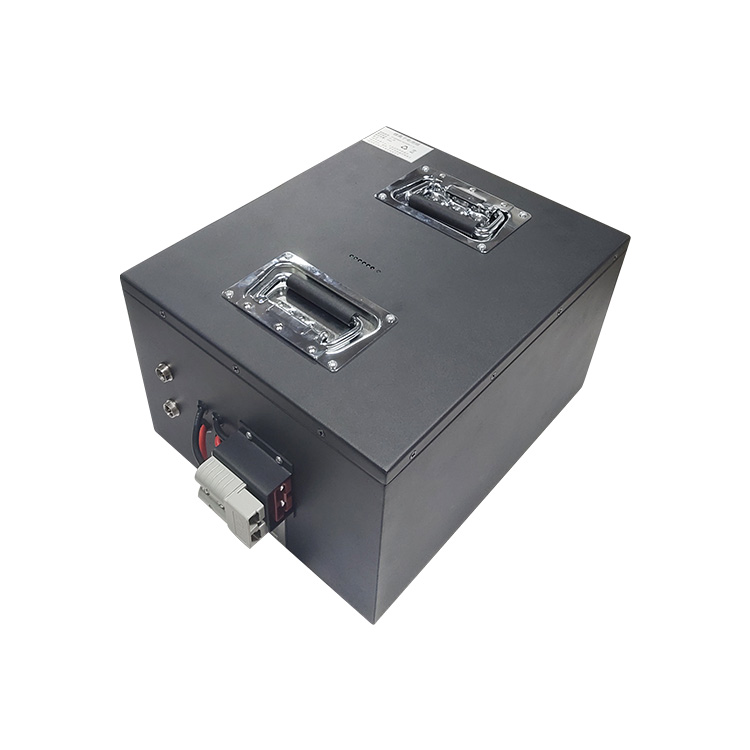


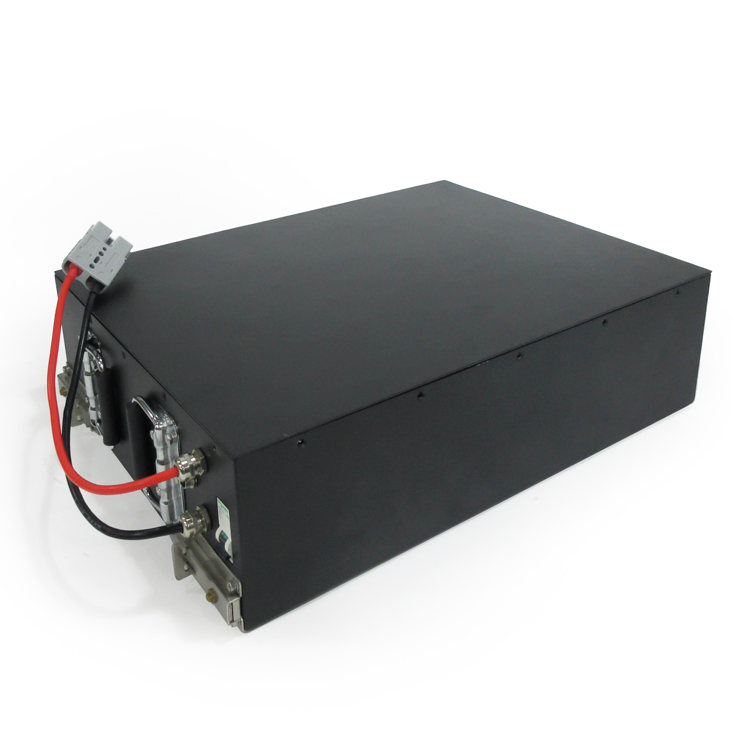
Heavy-Duty Battery for Autonomous Mobile Vehicles: High-Capacity Lithium-Ion Power Solution for AGVs/AMRs
Heavy-duty unmanned transport trolley (AGV/AMR) plays a vital role in the fields of intelligent manufacturing, intelligent storage, port logistics and industrial automation. With the increasing demand for efficient and flexible logistics solutions, the power system advantages of these cars during heavy load transportation are particularly important. This article will focus on the lithium battery solution for heavy-duty unmanned handling trolley, and discuss the key elements such as its design concept, performance requirements, system integration, charging management and maintenance strategy.
I. Design concept of lithium battery for heavy duty AGV/AMR
the battery design of heavy-duty unmanned carrying trolley needs to meet its specific power demand, which usually includes the following aspects:
1. High energy density and high power output
because the heavy-duty unmanned carrying trolley needs frequent start, acceleration and braking, the battery must have high energy density (Wh/kg) and power density (W/kg). High energy density can ensure long-term operation, while high power output ensures the rapid response capability of the car under heavy load. Therefore, battery types with high energy density such as lithium ion (Li-ion) or lithium cobalt oxide (LiCoO2) are preferred.
2. Cycle life and safety
3. Temperature adaptability
in practical applications, heavy duty AGVs often operate under various temperature conditions, so batteries need to have good temperature adaptability in design. The battery with wide operating temperature range can ensure the stable operation of the system under extreme temperature conditions.
II. System integration
the system integration of the battery is very important. It not only affects the performance of the battery, but also affects the overall working efficiency of the AGV.
1. Battery management system (BMS)
the battery management system is an important part of the AGV Battery pack and is responsible for monitoring the battery status, including voltage, temperature, charging and discharging. Through real-time monitoring, BMS ensures that the battery runs within a safe range, and at the same time implements balanced charging to prolong the service life of the battery.
2. Battery structure design
The layout and weight distribution of the battery pack design of the heavy-duty unmanned carrying trolley should be particularly considered. Reasonable battery layout can not only effectively reduce the center of gravity and improve the stability of the car, but also optimize the heat dissipation performance of the battery and ensure the working efficiency of the battery under high load.
3. Communication system
efficient communication with the AGV master control system is crucial to the performance recovery of the battery. Using CAN bus or other efficient data communication protocols CAN ensure the real-time transmission and processing of battery data and improve the working efficiency of the system.
III. Charging management
charging Management is an important link that cannot be ignored in the AGV Battery system.
1. Intelligent charging strategy
adopt intelligent charging strategies that meet the requirements of heavy-duty AGVs, such as scheduled charging, fast charging, and balanced charging. The intelligent charging system can automatically adjust the charging mode at different working stages to ensure the safety and charging efficiency of the battery.
to improve the job time of AGVs, designing automatic charging station is an effective solution. After completing the task, the AGV can automatically drive into the charging station for charging, and the whole process does not require manual intervention, thus ensuring the consistency and efficiency of the operation.
3. Charging detection and management system
establishing a charging management system can monitor the status and results of each charge and record the data of the charging cycle for later analysis. Through data analysis, the health status of the battery can be evaluated and potential problems can be found in time.
IV. Maintenance strategy
regular maintenance of the battery can effectively prolong its service life and ensure the normal operation of the AGV system.
1. Regular inspection and testing
formulate the regular maintenance plan of the system and conduct comprehensive inspection and testing of the battery, including the physical state of the battery pack, the charging/discharging performance and the function of the BMS. In actual operation, keep the battery in good condition to ensure the efficient operation of the AGV.
by recording and analyzing battery operation data (such as charging times, working hours, temperature changes, etc.), the O & M team can formulate scientific maintenance strategies. Handle abnormal situations in time to avoid negative impact on the production efficiency of AGV.
3. Replacement and recycling
for batteries whose service life expires, professional replacement and recycling should be carried out to ensure the continuity of production and operation and the necessity of environmental protection. Through effective battery recycling mechanism, reduce environmental pollution and promote the reuse of resources.
In the application of heavy-duty unmanned carrying trolley, lithium battery as the core power source, its design scheme needs to be comprehensively considered from various aspects. Through reasonable battery selection, efficient system integration, intelligent charging management and scientific maintenance strategy, the operation efficiency and safety of heavy duty AGVs in high load environment are ensured.

 Dongguan Juneng New Energy Technology Co., Ltd.
 137 5142 6524(Miss Gao)
 susiegao@power-ing.com
 Xinghuiyuan High tech Industrial Park, Dalang Town, Dongguan City, Guangdong Province

 Yue Gong Wang An Bei No. 4419002007491