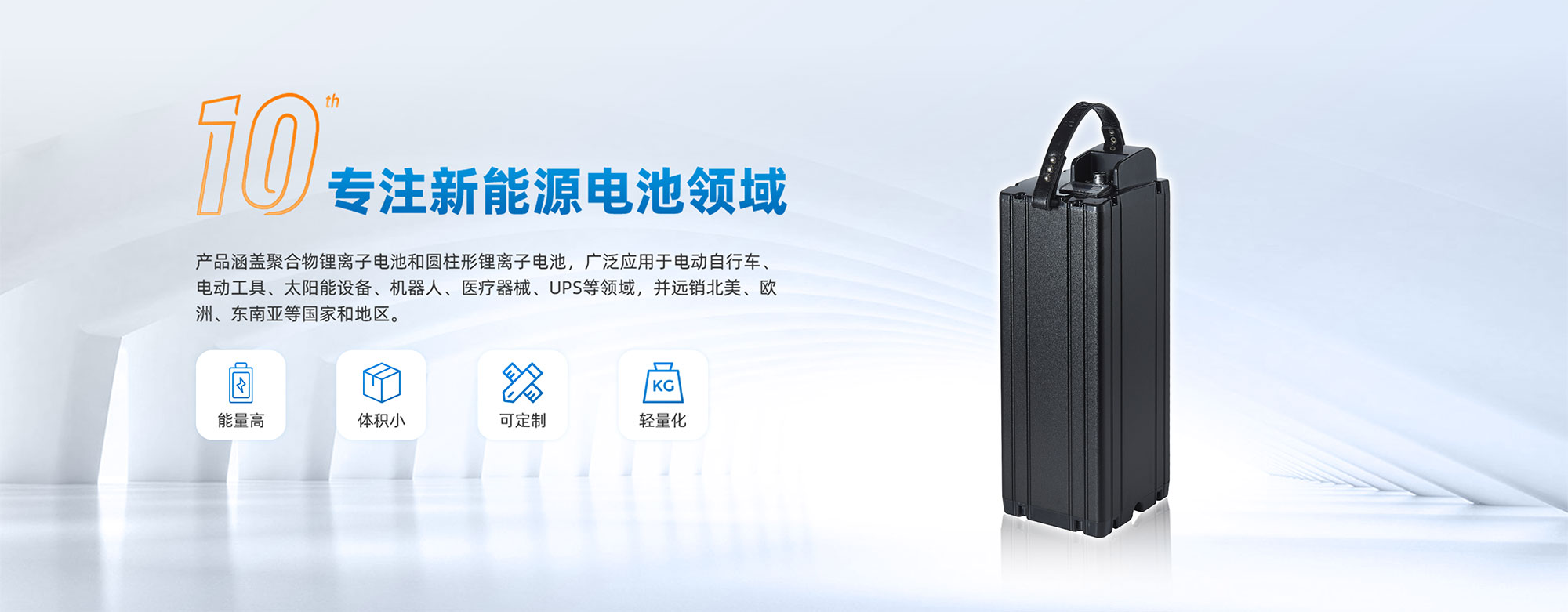


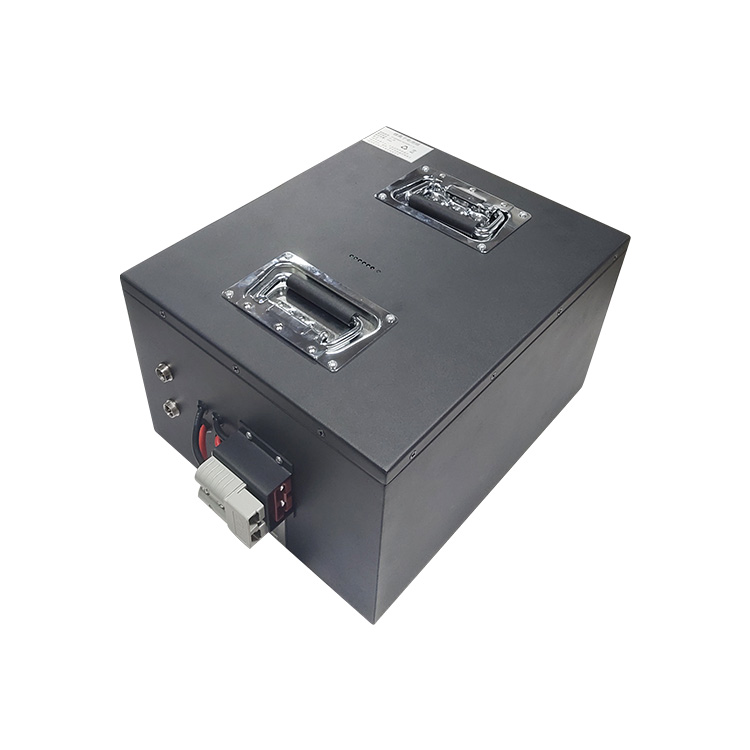


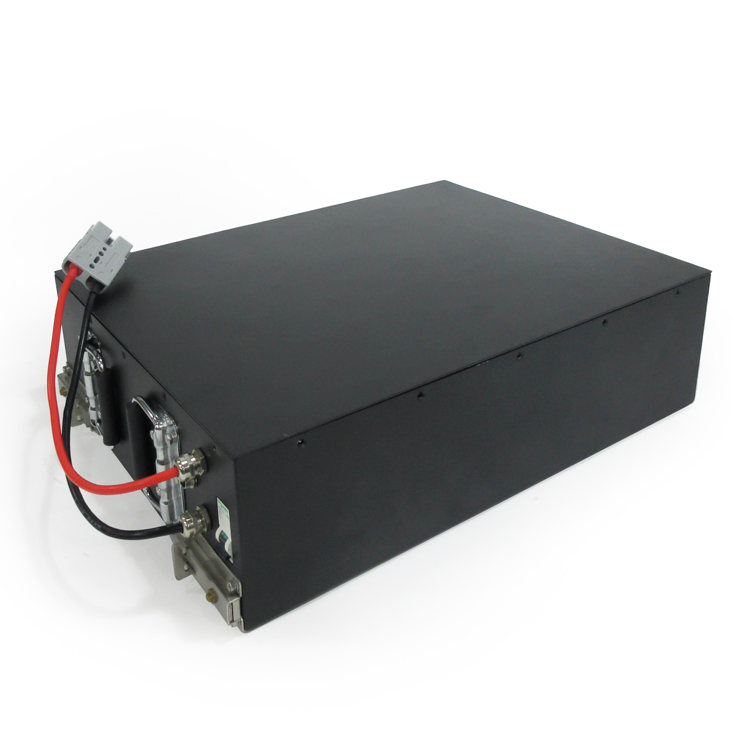
Things to Consider When Customizing Power Batteries
In the wide application of modern electric vehicles, energy storage systems and various mobile devices, power battery, as the core component, its performance directly affects the working efficiency and safety of the equipment. Therefore, customized power batteries have become an urgent demand for many enterprises and individual users. The customization process involves multiple steps, from selecting Battery types to designing battery systems to testing and verification. Each step is crucial. This article will discuss in detail the matters needing attention when customizing power batteries to help users make wise decisions.
I. Selection of battery type
when customizing a power battery, you must first specify the required battery type. Common battery types include lead-acid batteries, lithium-ion batteries, Ni-MH batteries, etc:
1. Lead acid battery
lead-acid battery is a traditional power battery with mature technology and relatively low cost. Suitable for short-term projects or cost-sensitive applications. However, its energy density is low, its cycle life is short (usually 500-1000 times), and its weight is relatively large.
2. Lithium ion battery
lithium ion battery is currently the most commonly used power battery, which is suitable for various high-performance applications. Its high energy density, long cycle life (generally 2000-5000 times), and charging speedFast. However, its high cost is an important factor to weigh when customizing.
3. Ni-MH battery
NI-MH battery is environmentally friendly and suitable for some low-power applications, but its energy density and cycle life are relatively low. When selecting, make sure that it meets specific performance requirements.
II. Battery performance parameters
the performance parameters of each battery type are different. To ensure that the customized power battery can meet the use requirements, users need to pay attention to the following key parameters:
1. Capacity
battery capacity is usually expressed in hours (Ah) or kWh (kWh), which is directly related to how much electric energy the battery can store. During customization, the battery capacity should be reasonably selected according to the power demand and load characteristics of the equipment to ensure that the battery can supply power stably for a long time.
2. Charge and discharge rate
the charge-discharge rate is expressed by C rate, which refers to the current released or received by the battery within a specific time.. Batteries with high C rate can release large current in a short time, which is suitable for applications with high demand for instantaneous power, such as electric vehicle acceleration or power tools. When customizing, select the appropriate C rate based on the load characteristics.
3. Cycle life
cycle Life refers to the number of times that the battery can charge and discharge normally. The cycle life of different types of batteries varies greatly, and lithium ion batteries usually have higher cycle life. The usage scenario also affects this indicator. For example, frequent charging and discharging will accelerate battery aging, so the usage frequency of the device needs to be considered when customizing.
III. Security
battery safety is a key factor in the customization process. Core Security requirements include:
1. Overcharge protection
the overcharge protection design of the battery is very important to prevent potential safety hazards such as thermal runaway and thermal running of the battery during the charging process. When customizing, make sure that the battery management system (BMS) has perfect overcharge protection function.
2. Over-release protection
3. Temperature management
the battery generates heat during charging and discharging, so temperature management is particularly important. When customizing, consider the heat dissipation design of the battery to ensure safe and stable work under different environmental conditions.
4. Battery management system (BMS)
battery Management System (BMS) is an important part to ensure the safety and performance of batteries. It is mainly responsible for battery monitoring, protection, balance and other functions.
1. Monitoring function
BMS needs to monitor the voltage, temperature, current and other parameters of each battery cell in real time to ensure that it is within a safe range. Once an exception is detected, BMS should be able to take corresponding protective measures immediately.
2. Protection function
3. Balance function
each unit in the battery pack may have uneven voltage due to different use conditions. BMS needs to have a balance function to ensure that the voltage of each unit in the battery pack is consistent, avoid aging of a single battery cell due to excessive power consumption.
V. Cost considerations
when customizing power batteries, cost is an important factor that cannot be ignored. Considerations include:
1. Initial investment
the initial investment of the battery usually includes the manufacturing cost of the battery unit and the cost of the BMS. When customizing, you need to comprehensively compare different types and configurations of batteries to find the most cost-effective solution.
2. Long-term use cost
although the initial lithium ion batteryThe initial investment is relatively high, but its long service life and low maintenance cost can often bring higher returns to users in the long term. Therefore, when making a choice, long-term use costs and benefits need to be considered.
VI. Supplier selection
finally, choosing a reliable battery supplier is the key to ensure the success of power battery customization. When selecting, you can consider the following aspects:
1. Qualification Certification
confirm whether the supplier has relevant industry certification (such as ISO, CE, etc.), as well as its production capacity and quality control standards.
2. Technical support
high-quality suppliers shall provide comprehensive technical support and services, including customized consultation, product testing and after-sales service.
3. Past cases
browsing past cases and customer reviews of suppliers can help users evaluate their technical capabilities and reputation.
customization power battery is A complex and multi-dimensional process requires users to fully consider various factors such as battery type, performance parameters, safety, battery management system, cost and supplier selection. Only after in-depth understanding of these key details can we formulate appropriate customization solutions to maximize equipment performance and ensure safe and stable operation.

 Dongguan Juneng New Energy Technology Co., Ltd.
 137 5142 6524(Miss Gao)
 susiegao@power-ing.com
 Xinghuiyuan High tech Industrial Park, Dalang Town, Dongguan City, Guangdong Province

 Yue Gong Wang An Bei No. 4419002007491