



The Price of Polymer Lithium Ion Battery Is the Core Part.
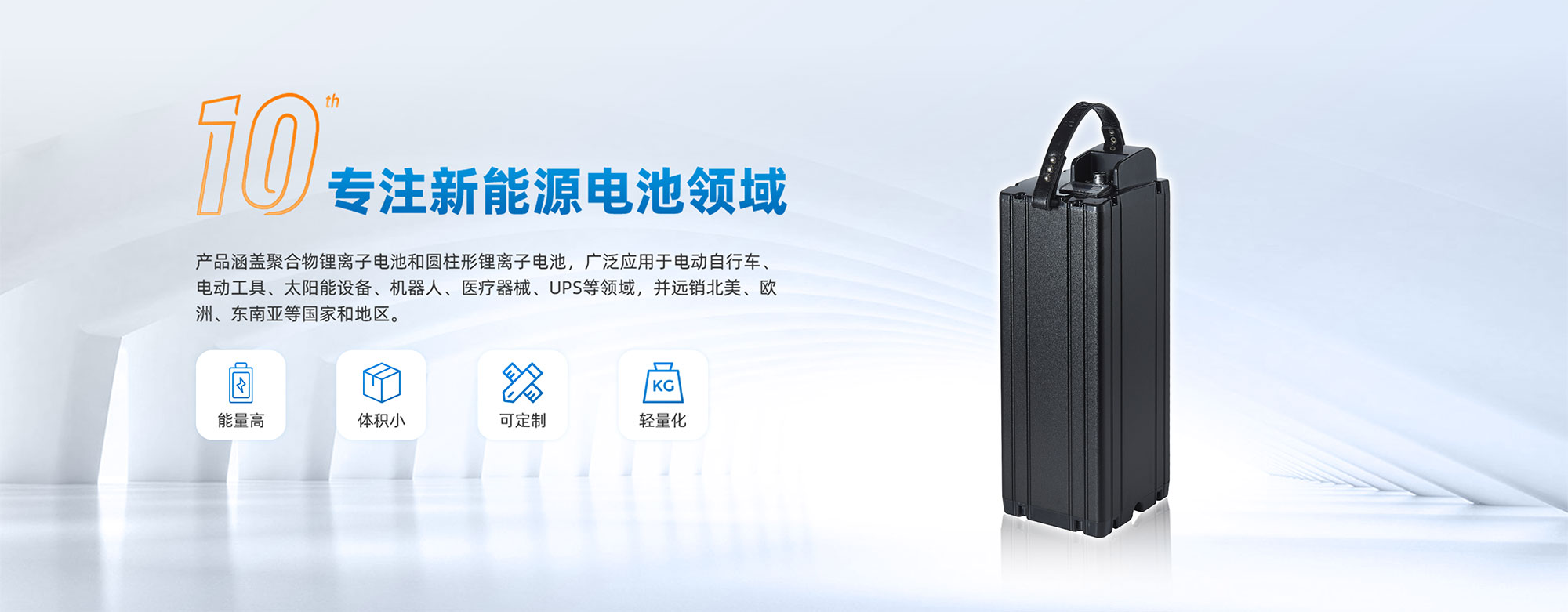
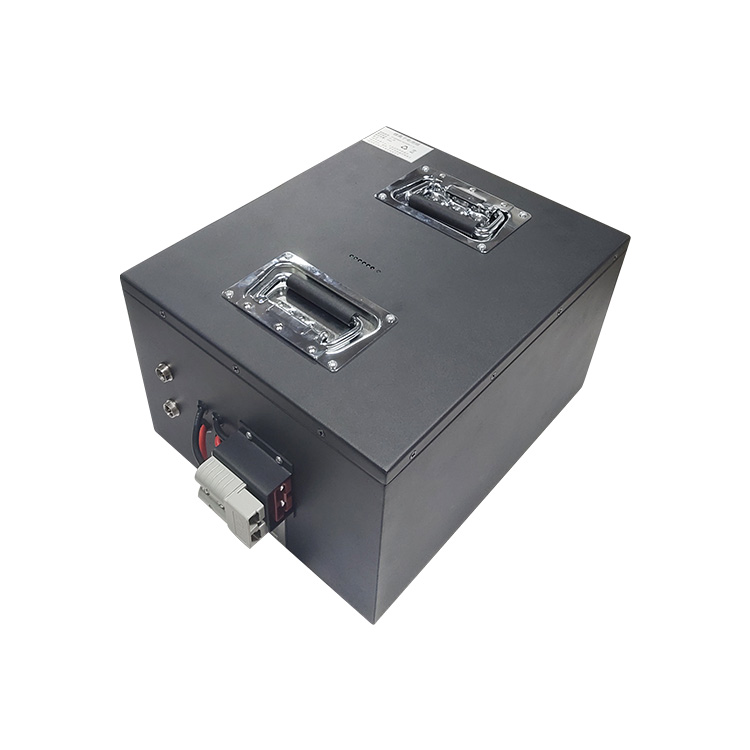
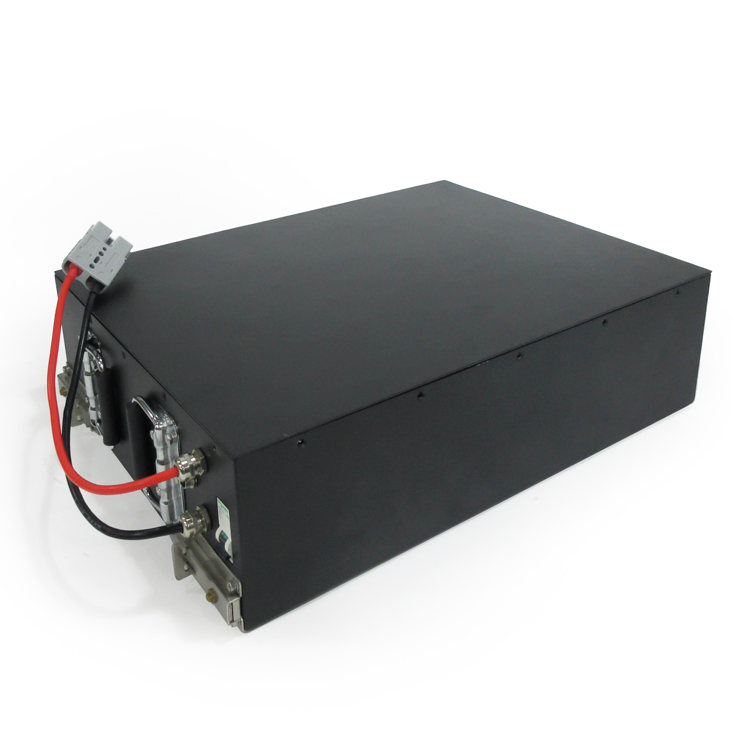
Polymer Lithium Ion Battery (Polymer Lithium-Ion Battery) is widely used in many fields such as consumer electronics, electric vehicles and energy storage equipment due to its light weight, high energy density and strong plasticity. However, despite the growing market demand, its price composition is still the focus of enterprises and consumers. This article will analyze the core part of the price of polymer lithium ion battery in detail and conduct in-depth discussion from the perspectives of material cost, production technology and market factors.
I. Material cost
1. Battery material composition
the main components of polymer lithium ion battery include cathode material, anode material, electrolyte and isolating membrane. The choice of these materials directly affects the performance and cost of the battery.
-
Positive electrode material: polymer lithium ion battery common cathode materials include lithium cobalt oxide, nickel cobalt aluminum oxide (NCA), nickel cobalt manganese oxide (NCM), etc. The price fluctuation of these materials is mainly affected by the relationship between market supply and demand, the difficulty of raw material mining and production technology.
-
Negative electrode material: the commonly used negative electrode materials are mainly graphite and silicon-based materials. The price of graphite is relatively stable, while the price of silicon-based materials is relatively high due to their higher energy density and cycle performance.
-
Electrolyte: the electrolyte of polymer battery is usually lithium salt solution doped in polymer matrix, and the cost of electrolyte is limited by the polymerization used.Price of material and lithium salt.
-
Isolating membrane: The main function of isolating membrane is to prevent short circuit caused by direct contact between positive and negative poles. Common isolating membrane materials include polyethylene (PE) and polypropylene (PP). The prices of these materials also fluctuate due to changes in production technology and market supply and demand.
2. Proportion of material cost
in polymer lithium ion battery in the production cost, the material cost usually occupies quite high proportion. According to different battery specifications and applications, the material cost may account for 40% to 60% of the total cost. Therefore, the fluctuation of material price will directly affect the overall price of polymer lithium ion battery.
II. Production process
1. Production process
the production process of polymer lithium ion battery includes material preparation, coating, drying, pressing, winding or lamination, liquid injection and packaging, etc. The process complexity and equipment investment in each link will affect the production cost.
2. Production equipment
the selection and investment of production equipment are also important factors affecting production cost. Efficient and highly automated production equipment can improve production efficiency, reduce labor costs and material waste, thus reducing the price per unit product. However, the initial investment of these equipments is relatively high, and enterprises need to comprehensively consider long-term benefits when selecting equipments.
3. Production efficiency
the improvement of production efficiency can effectively reduce unit cost. By optimizing the production process, improving the automation degree of equipment and reducing the rejection rate of production, enterprises can reduce the production cost by polymer lithium ion battery to a certain extent. On the contrary, inefficient production processes will lead to higher costs.
III. Market factors
1. Relationship between supply and demand
the market price of polymer lithium ion battery is directly affected by the relationship between supply and demand. Under the background of the rapid growth of battery demand in markets such as electric vehicles and consumer electronics, the imbalance between supply and demand may lead to the rise of battery prices. On the contrary, when the market demand weakens, the price may fall.
2. Fluctuation of raw material market
3. Competition Pattern
polymer lithium ion battery market competition will also affect prices. When market competition intensifies, enterprises may compete for market share by lowering prices, thus affecting the overall pricing strategy of products. In addition, the addition of new entrants and technological innovation may also lead to a price war, further affecting the market price.
IV. R & D investment
with the continuous progress of technology, polymer lithium ion battery R & D investment has also become an important part of Price composition. R & D investment mainly includes the development of new materials, improvement of production technology and product increased performance. The investment of enterprises in research and development will directly affect the production cost and market price of products.
V. Policies and regulations
government policies and regulations also have an impact on the price composition of polymer lithium ion battery. For example, national subsidy policies, environmental protection regulations and safety standards for the battery industry may affect production costs and market prices. Changes in policies can directly affect the operating costs of enterprises, thus changing the pricing strategy of products.
the price composition of polymer lithium ion battery is a complex system, involving material cost, production process, market factors, R & D investment, policies and regulations, etc. Understanding these core components can not only help enterprises make more accurate decisions on cost control, but also provide consumers with clearer price cognition.

 Dongguan Juneng New Energy Technology Co., Ltd.
 137 5142 6524(Miss Gao)
 susiegao@power-ing.com
 Xinghuiyuan High tech Industrial Park, Dalang Town, Dongguan City, Guangdong Province

 Yue Gong Wang An Bei No. 4419002007491