Hot products




Contact us
Dongguan Juneng New Energy Technology Co., Ltd.
137 5142 6524(Miss Gao)
susiegao@power-ing.com
Xinghuiyuan High tech Industrial Park, Dalang Town, Dongguan City, Guangdong Province
A powerful tool for “peak-shaving and valley-filling” of factory electricity costs: JuNeng New Energy’s cabinet-based energy storage system reduces power consumption expenses by 40%.
time:2026-09-01
For factories and shopping malls, the "rate of electricity" on the electricity bill is often a hidden huge sum of money. This fee is charged according to the maximum demand, which has nothing to do with the electricity consumption, but only related to the peak electricity consumption. The current impact of a high-power device at the moment of startup may cause the rate of electricity to soar by tens of thousands of yuan throughout the month. How to reduce peak power consumption and rate of electricity? The industrial and commercial energy storage product line that gathers new energy sources is providing industrial and commercial users with an energy arbitrage scheme of "cutting peaks and filling valleys" in the form of standard cabinets and modular expansion capabilities.
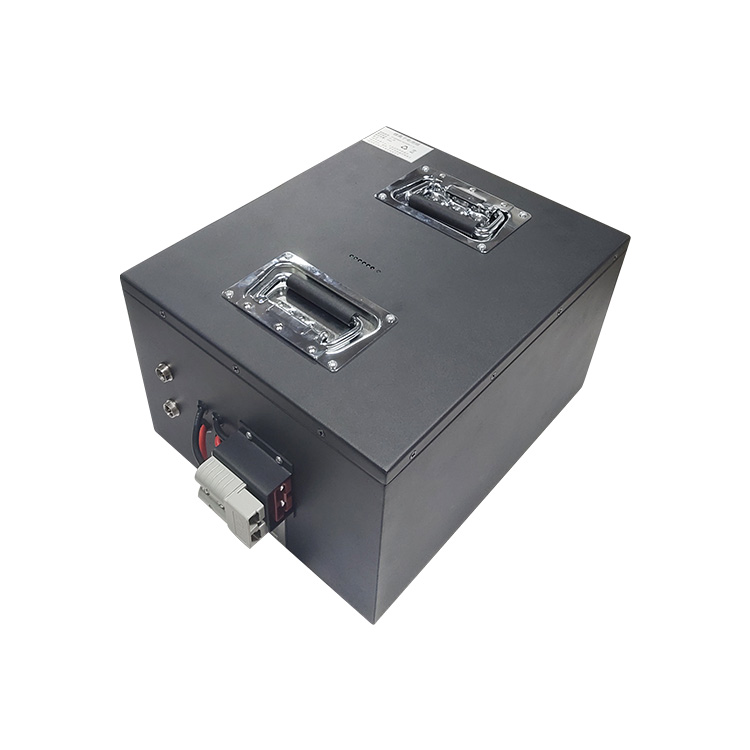
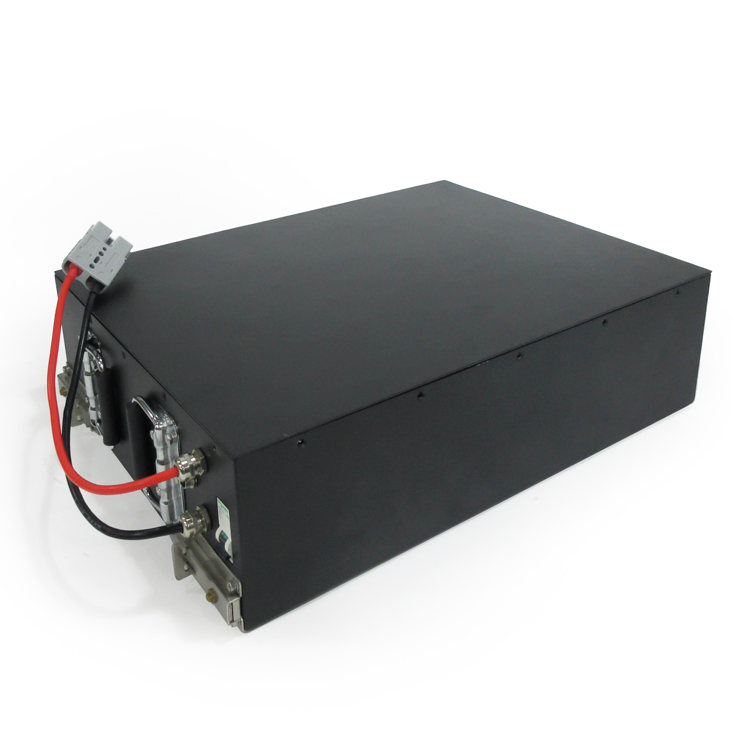
DGPI-SE-002 cabinet type energy storage: the "energy bank" in the standard cabinet ". The standard 19-inch size of W483mm × D560mm × H220mm can be directly embedded into the cabinet array of data centers and power distribution rooms without custom brackets. The capacity of a single unit is 4.8kWh, 8 units are extended to 38.4kWh in series, and the voltage is superimposed from 48V to 384V, which is suitable for PCS of different sizes (energy storage converter). This "building block" architecture enables energy storage planning to change from "one-time large investment" to "on-demand phased construction"-1-2 sets are invested at the initial stage to meet basic needs, and additional units are added at any time after business growth, protect initial investment.
The economic ledger of peak-Valley arbitrage. Based on the peak-valley price difference of 0.8 yuan/kWh and two cycles per day, the annual income of a 100kWh system can reach 58000 yuan, and the payback period of investment is about 3-5 years. What deserves more attention is the management of demand and electricity charge-the energy storage system discharges during the peak load period, reducing the maximum demand and reducing the expenditure by rate of electricity. For factories with high demand and electricity, this income even exceeds the peak-Valley arbitrage. After an electronic manufacturing plant adopted this scheme, the annual electricity expenditure decreased by 42%, rate of electricity by 60%, and the payback period of investment was only 2.8 years.
The green value added of photovoltaic consumption. The electricity generation time of industrial and commercial roof photovoltaic often does not match the electricity load. The electricity price of surplus electricity in noon is low, but it needs to purchase electricity from the power grid at a high price during peak hours in the evening. In DGPI-SE-002, photovoltaic power was stored at noon, and lighting and air conditioning were released in the evening, increasing the spontaneous self-use rate of photovoltaic from 30% to over 80%. After a logistics park adopted the "Photovoltaic + energy storage" scheme, the annual electricity purchase decreased by 65%, carbon emissions decreased by 120 tons, and green certification became the bonus for bidding customers.
Emergency backup power security bottom line. When the power grid fails, DGPI-SE-002 automatically switches to off-grid mode, providing uninterrupted power supply for key loads such as fire protection, security, data center, and cold chain. After a pharmaceutical factory adopted this scheme, it avoided scrapping batches of drugs caused by power failure, and the single stop loss exceeded 2 million yuan. This dual value of "arbitrage at ordinary times and guarantee in urgent times" makes the economy of energy storage investment more abundant.
Energy gathering new energy industrial and Commercial energy storage Differentiated competitiveness, is the modular design and fast delivery. Standard cabinet forms shorten the installation cycle, pre-installed solutions realize "plug and play", and BMS is compatible with mainstream EMS systems to reduce docking costs. From signing contracts to connecting to the grid, it takes only 4 weeks at the earliest, while traditional customized solutions often take 3-6 months.

Contact us
 Dongguan Juneng New Energy Technology Co., Ltd.
 137 5142 6524(Miss Gao)
 susiegao@power-ing.com
 Xinghuiyuan High tech Industrial Park, Dalang Town, Dongguan City, Guangdong Province

CUSTOMER SERVICE
 Yue Gong Wang An Bei No. 4419002007491