



Waterproofing Solution for AGV Power Lithium Batteries
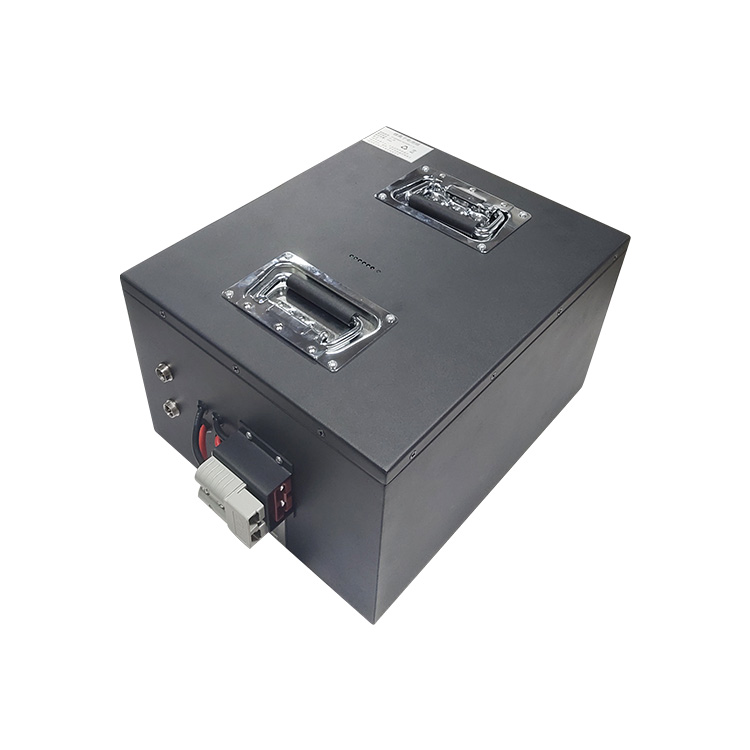
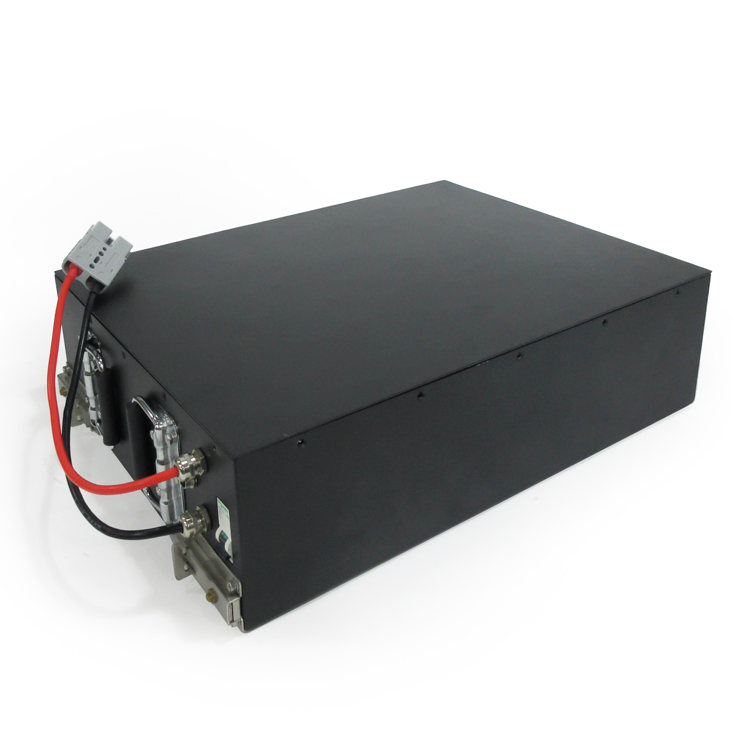
In modern industrial automation, automatic guided vehicle (AGV), as an efficient logistics equipment, is widely used in warehousing, production lines, distribution centers and other scenarios. As one of its core components, the power lithium battery of AGV directly affects the operation efficiency and safety of the equipment. However, lithium batteries are vulnerable to moisture damage in humid or multi-water environments, resulting in performance degradation, short circuit and even potential safety hazards. Therefore, the waterproof solution for AGV power lithium battery is particularly important. This article will discuss the waterproof requirements, common waterproof technologies and specific implementation schemes of AGV power lithium battery.
I. Waterproof requirements of AGV power lithium battery
AGVs operate in different working environments and may come into contact with various pollutants such as water, oil, dust, etc. To ensure the safety and reliability of lithium batteries, the waterproof design must meet the following requirements:
-
prevent moisture intrusion: The circuit board and battery unit inside the lithium battery must be completely waterproof to avoid short circuit caused by moisture and battery performance degradation.
-
Avoid corrosion: moisture and other liquids may cause corrosion of internal materials of the battery, affecting its service life and safety.
-
Ensure heat dissipation function: lithium battery will generate heat during the working process, and the waterproof design should ensure that it is waterproof without affecting the heat dissipation performance of the battery.
-
Meet industry standards: Waterproof design should conform to relevant international standards, such as IP67, to ensure reliability in harsh environment.
II. Common waterproof technology
according to the waterproof demand of AGV power lithium battery, there are many waterproof technologies available in the market, mainly including the following:
1. Sealing design
by adopting the sealing design, the intrusion of moisture can be effectively prevented. Seal design usually includes:
- o-ring seal: Use O-ring between the battery shell and the port to form a sealed structure to effectively prevent moisture from entering.
- Glue seal: Use waterproof glue at the joints of the battery shell to enhance the sealing performance.
2. Waterproof shell
using waterproof materials to make battery shell is another important means of waterproof design. Common waterproof materials include:
- waterproof plastic: for example, Polycarbonate (PC) and polypropylene (PP) have excellent waterproof performance.
- Aluminum alloy shell: aluminum alloy not only has better waterproof performance, but also can provide better mechanical protection.
coating waterproof coating on the surface of battery circuit board and components can further enhance its waterproof performance. Common waterproof coatings include:
- polymer coating: such as polyurethane and epoxy resin, a waterproof protective film can be formed on the circuit board to prevent moisture intrusion.
- Waterproof spray: There is a special waterproof spray on the market, which can quickly form a protective layer and is suitable for waterproof treatment of small batteries.
4. Grade certification
ensuring that the product meets relevant waterproof standards, such as IP67, can effectively guarantee the waterproof performance under specific conditions. The IP67 standard stipulates that the equipment will not be damaged when immersed in water for a short period of time.
III. Implementation of waterproof solution for AGV power lithium battery
1. Design phase
waterproof design should be fully considered in the design stage of AGV power lithium battery. The design team should cooperate with waterproof material suppliers to select suitable waterproof material and sealing design. It is suggested to conduct waterproof simulation test to verify the effectiveness of the design.
2. Production stage
in the production process, strictly control the production process to ensure that the installation of seals and the coating of waterproof coatings meet the standards. Regularly maintain and calibrate production equipment to ensure the implementation quality of waterproof design.
3. Test phase
after the production is completed, strict waterproof tests are carried out, including:
- immersion test: put the battery into water and test its waterproof performance within a certain period of time.
- Spray Test: simulate the situation of rain or water spraying, and test the waterproof ability of the battery.
After passing the test, conduct long-term performance verification to ensure the waterproof performance of the battery in the actual use environment.
4. After-sales maintenance
maintain and inspect the AGV regularly to ensure that the waterproof performance of the battery is maintained well. For the waterproof problem, handle and replace the battery in time to avoid affecting the normal operation of the AGV.
AGV power lithium battery the waterproof solution is the key to ensure the safe and reliable operation of the equipment. Through the combination of sealing design, waterproof shell, waterproof coating and other technical means, it can be effectivePrevent moisture from damaging lithium batteries. Through strict control in all aspects of design, production, testing and after-sales maintenance, the stability and safety of AGV power lithium battery in various environments are ensured.

 Dongguan Juneng New Energy Technology Co., Ltd.
 137 5142 6524(Miss Gao)
 susiegao@power-ing.com
 Xinghuiyuan High tech Industrial Park, Dalang Town, Dongguan City, Guangdong Province

 Yue Gong Wang An Bei No. 4419002007491