



What key parameters should be considered when customizing a 48V lithium battery pack for AGV and AMR robots?
48v automatic guided vehicle (AGV) and autonomous mobile robot (AMR) are playing an increasingly important role. The efficient operation of these devices depends to a large extent on its power system, while lithium battery pack is a key component to ensure its high performance and long endurance. There are several key parameters that need special attention when customizing the lithium battery pack of AGVs and AMRs. The following is a detailed analysis for you.
I. Rated voltage and capacity
1. Rated voltage
the rated voltage of lithium battery pack battery pack is the primary parameter for selecting battery pack. For 48V AGV and AMR, the rated voltage of battery pack must match the electrical system of the equipment to ensure that the equipment can work properly. The rated voltage of the battery is usually determined by the number of single batteries, and the 48V system generally adopts 13 3.7V lithium-ion battery monomer series configuration.
2. Capacity (Ah)
the capacity of the battery refers to the amount of electricity that the battery can provide under specific discharge conditions, usually expressed in ampere hours (Ah). The choice of capacity directly affects the endurance of AGV and AMR. It is necessary to determine the appropriate battery capacity according to the power demand, working time and task type of the equipment. For example, if the device runs under high load, it may require a larger capacity to support longer working hours.
discharge rate refers to the ratio of current released safely by the battery to its capacity in a short period of time, usually expressed as C. AGVs and AMRs may experience high power requirements for a short period of time during operation, so it is very important to select lithium battery pack with sufficient discharge rate. If the discharge rate is insufficient, it may cause the battery to heat up, decrease its performance or even damage.
1. Determine the peak discharge demand
when selecting the type, it is necessary to evaluate the current demand of AGV or AMR under different working conditions to determine the discharge rate of battery pack. For example, in the case of climbing, acceleration, or load changes, the device may instantly require a large current. According to these requirements, choosing the appropriate discharge rate can ensure the stable operation of the battery under high load.
III. Charging time and charging efficiency
1. Charging time
charging time is an important parameter that users need to consider when using AGV and AMR, especially in high frequency environment. The charging time of lithium battery pack is usually related to its capacity and charging power. In the selection, the power output capability of the charging equipment and the charging acceptance capability of battery pack should be considered to ensure that the charging can be completed in a short time.
2. Charging efficiency
charging efficiency refers to the efficiency of energy conversion during battery charging, which is usually expressed as a percentage. High-efficiency charging system can reduce energy loss and improve the use efficiency of batteries. When selecting the type, choosing lithium battery pack with high charging efficiency can reduce the overall operating cost and improve the use experience.
IV. Cycle life
cycle Life refers to the number of charge and discharge cycles that lithium batteries can complete under the specified charge and discharge conditions. For AGV and AMR, the cycle life directly affects the replacement frequency and use cost of the battery.
1. Life assessment
when selecting a model, you need to pay attention to the cycle life index of battery pack, which is usually expressed in charge and discharge times. For frequently used equipment, choosing lithium battery pack of high cycle life can reduce long-term maintenance costs. In addition, we also need to consider the life performance of the battery under different charging and discharging depths, and try our best to choose the battery type suitable for our own use scenarios.
V. Temperature range
the performance of batteries varies greatly under different temperature conditions. Therefore, lithium batteries need to be considered when selectingThe operating temperature range of the package. AGVs and AMRs may work under different environmental conditions, such as cold warehouses or hot factories.
1. Temperature adaptability
the key to selection is to ensure that battery pack can still work normally in a wide temperature range. Choosing battery pack that can adapt to the changes of high temperature, low temperature and humidity can improve the occupational stability and safety of the equipment.
VI. Safety and protection measures
the safety of lithium battery is an aspect that must be paid attention to when selecting. Lithium battery pack battery pack may face risks such as overcharge, overdischarge, short circuit, overheating, etc. Therefore, it is very important to choose battery pack with corresponding safety protection measures.
1. Protection circuit design
ensure that battery pack has a complete battery management system (BMS), which can effectively monitor the battery status and prevent safety problems caused by abnormal conditions. In addition, battery pack with temperature control protection, overvoltage protection, short circuit protection and other functions can greatly improve the use safety.
VII. Volume and weight
1. Design compatibility
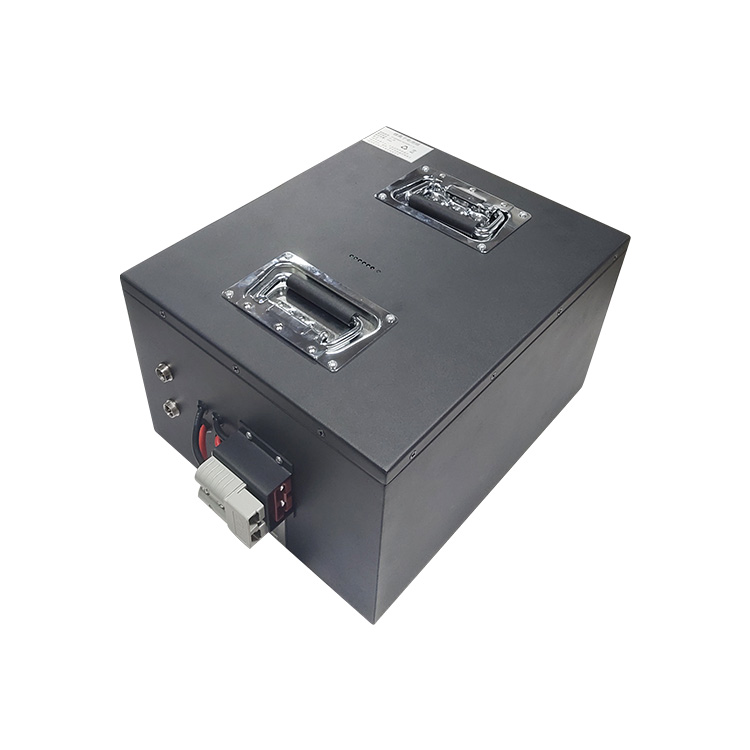
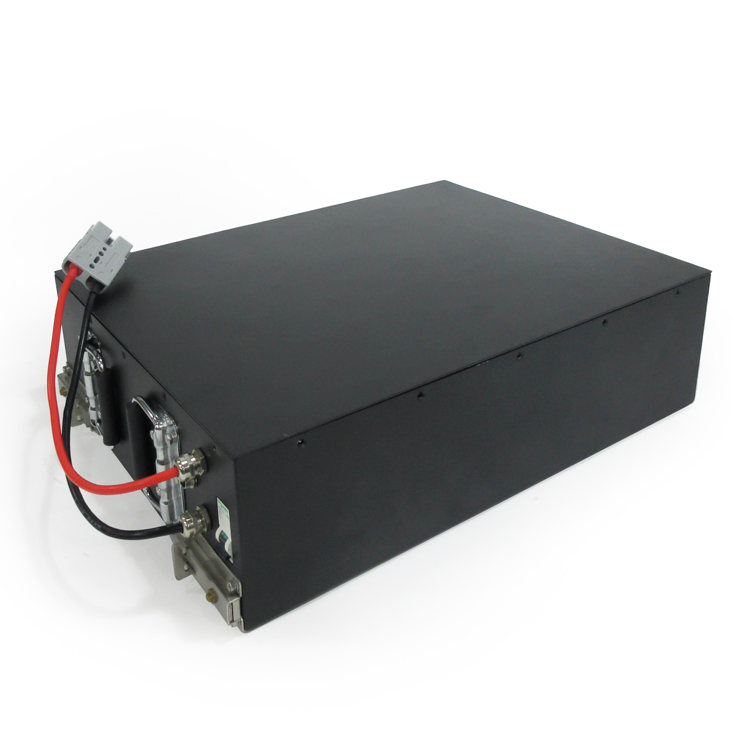
when selecting models, consider whether the size of battery pack is compatible with the design of the equipment. At the same time, the weight of the battery will also affect the overall load capacity of the equipment, so it is necessary to find a balance between performance and design.
For 48V AGV and AMR robots custom lithium battery pack attention to the above key parameters will help you select a high-performance battery pack that meets your needs. By comprehensively considering factors such as rated voltage and capacity, discharge rate, charging time and efficiency, cycle life, temperature range, safety and protection measures, as well as volume and weight, it can better meet the operation requirements of the equipment and improve the overall efficiency and reliability of the automation equipment.

 Dongguan Juneng New Energy Technology Co., Ltd.
 137 5142 6524(Miss Gao)
 susiegao@power-ing.com
 Xinghuiyuan High tech Industrial Park, Dalang Town, Dongguan City, Guangdong Province

 Yue Gong Wang An Bei No. 4419002007491