



Which national standard governs the lithium batteries used in AGV robot chassis?
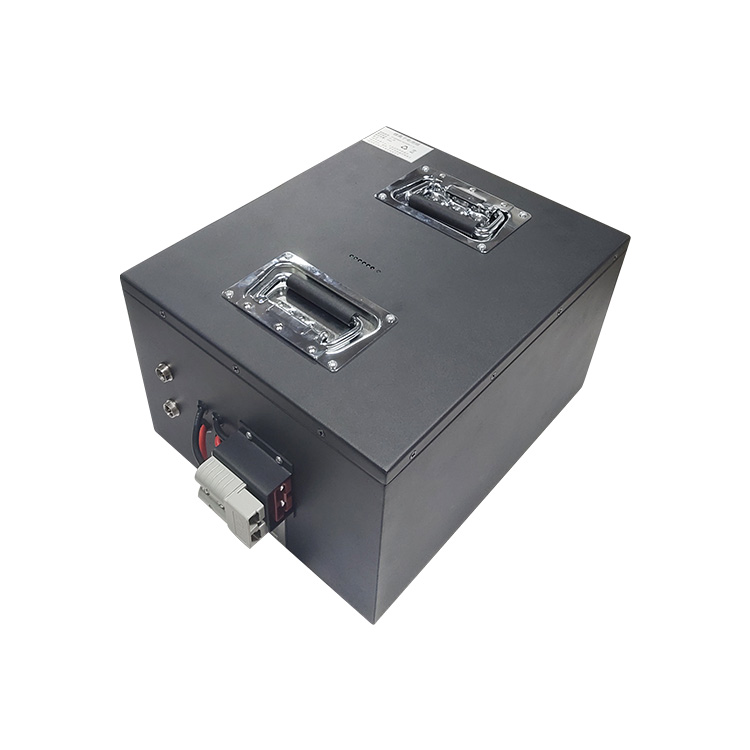
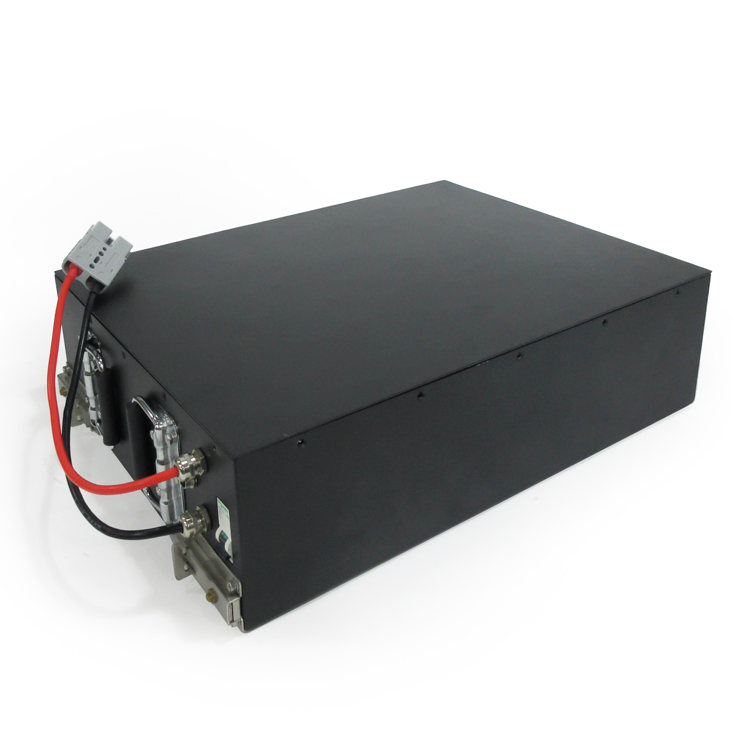
AGV (automatic guided vehicle) robots are more and more widely used in logistics, warehousing, production lines and other fields. One of the core components of the AGV robot is its power source-lithium battery. Lithium battery has become the preferred power solution for AGV robot chassis due to its high energy density, long cycle life and light weight. However, it is very important to meet relevant standards when selecting and using lithium batteries. This article will introduce in detail the relevant national standards of lithium batteries used in the chassis of AGV robots to help readers better understand the specifications and requirements in this field.
I. Demand for AGV robots and their lithium batteries
AGV robot is a kind of transportation equipment that can move autonomously or semi-autonomously, and is widely used in factories, warehouses and distribution centers. The lithium battery required by its chassis should have safety and reliability while ensuring sufficient power. The performance of lithium battery directly affects the operating efficiency and service life of the AGV robot, so it is particularly important to understand the relevant national standards.
II. National standards for lithium batteries
in China, the production and use of lithium batteries are regulated by many national standards. Lithium batteries used in the chassis of the AGV robot mainly follow the following national standards:
1. GB/T 18287-2013 safety requirements for lithium ion batteries
this standard mainly stipulates the safety requirements of lithium ion batteries in the process of design, manufacture and use. For lithium batteries of AGV robots, safety is the primary consideration. According to this standard, lithium batteries need to have functions such as short circuit prevention, overcharge, overdischarge, temperature protection, etc. to ensure safe operation under various working conditions.
2. GB/T 31467.2-2015 safety requirements and test methods for lithium ion batteries used in electric vehicles
although this standard is mainly aimed at electric vehicles, its content is also applicable to lithium batteries of AGV robot chassis. The standard specifies the performance test methods of lithium batteries under different environmental conditions, including high temperature, low temperature, damp heat and other tests to ensure the reliability of lithium batteries in various working environments.
3. GB/T 23212-2009 "Test Method for cycle life of lithium ion batteries"
this standard specifies the testing method of lithium battery cycle life, which is applicable to the life evaluation of batteries used in the chassis of the AGV robot. According to this standard, lithium batteries need to undergo several charge-discharge cycle tests to evaluate their life performance in actual use. For the AGV robot, the cycle life of the battery directly affects its use cost and maintenance frequency.
4. GB/T 31241-2014 safety requirements for portable lithium ion batteries and their components
III. Precautions for application of lithium batteries in AGV robots
when selecting and using lithium batteries, in addition to following national standards, the following aspects should also be considered:
1. Battery capacity and power
the battery capacity of the AGV robot should be designed reasonably according to its workload and running time. Generally speaking, the larger the battery capacity, the longer the battery life, but it is also necessary to consider the influence of the battery weight on the robot. Therefore, the energy density and power output of the battery should be considered comprehensively in the design.
2. Charging and discharging characteristics
the charging and discharging characteristics of lithium batteries directly affect the use efficiency of AGV robots. Reasonable charging strategy can prolong the service life of the battery, while fast discharging capability can ensure the performance of the robot when working at high load. Therefore, it is very important to select a lithium battery with good charge and discharge characteristics.
lithium batteries generate heat during work, and high temperature may lead to battery performance degradation or potential safety hazard. Therefore, in the design of the AGV robot, the heat dissipation design of the battery should be considered to ensure its operation in a suitable temperature range.
4. Maintenance and monitoring
regular maintenance and monitoring of lithium batteries can effectively prolong their service life. By monitoring the status parameters of the battery, such as voltage, temperature and power, potential problems can be found and handled in time, thus avoiding equipment shutdown caused by battery failure.
Used for AGV robot chassis lithium battery it is an important part of efficient and safe operation. Compliance with national standards can not only ensure the safety and reliability of lithium batteries, but also improve the overall performance of AGV robots. When selecting and using lithium batteries, relevant enterprises and users should fully understand GB/T 18287, GB/T 31467.2, GB/T 23212, GB/T 31241 and other standards, and carry out reasonable design and application according to their own needs.

 Dongguan Juneng New Energy Technology Co., Ltd.
 137 5142 6524(Miss Gao)
 susiegao@power-ing.com
 Xinghuiyuan High tech Industrial Park, Dalang Town, Dongguan City, Guangdong Province

 Yue Gong Wang An Bei No. 4419002007491