



From liquid cooling to “solid–liquid hybrid”: phase-change materials are reshaping the technological roadmap for battery pack thermal management.
In the field of PACK thermal management, liquid cooling solution has become almost standard for medium and high-end battery PACK in the past few years. However, with the continuous improvement of energy density cell and the acceleration of ultra-fast charging technology, the heat dissipation capability of a single liquid cooling solution is approaching the physical limit. The introduction of phase change material (PCM) provides a new technical path for thermal management.
The core advantage of phase change materials lies in "latent heat buffer". When the battery temperature rises, PCM absorbs a large amount of heat through the phase change process while its own temperature remains basically unchanged, thus controlling the cell temperature within a safe range. A review published in Journal of Energy Storage points out that PCM has become a promising solution for battery thermal management systems due to its excellent latent heat absorption and release capabilities.. This review systematically reviews the key improvement strategies of PCM in terms of thermal conductivity, structural stability and flame resistance, and focuses on the analysis of PCM and air cooling, liquid cooling, mixed heat management system combining active cooling methods such as heat pipe cooling.
Engineering data also verifies this route. A study on high rate (5C) discharge conditions shows that pure PCM system can limit the peak temperature of cell to 314. 23K, while using egg shell derived nano-enhanced multi-PCM mixing system, under the condition of 30% volume fraction additive, the peak temperature can be further reduced to 305.58K, and the entropy production can be reduced by about 40.47%. Another study published in Applied Thermal Engineering proposed the structural scheme of aluminum foam sandwich (AFS) Integrated Liquid cooling tube, which combines aluminum alloy panels, flat tube and closed-cell aluminum foam (500kg/m & sup3;) are compounded by thermal conductive structural adhesive, static compression and three-point bending tests show that embedded flat tube, as a high modulus support, can induce multi-stage energy absorption, improve bending strength and shear performance at the same time.
The signal transmitted by these studies is clear: the future PACK thermal management it is not the choice between liquid cooling and PCM, but the collaborative design of multi-material and multi-mechanism.
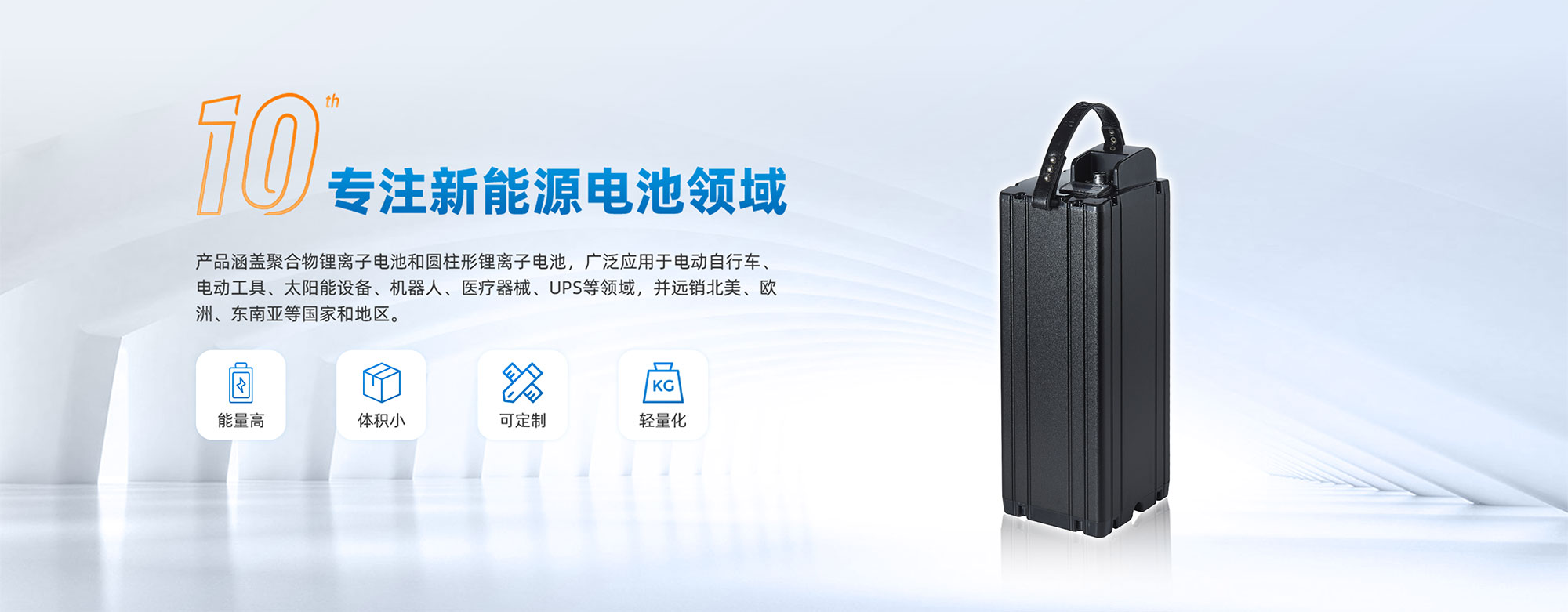
Dongguan Juneng New Energy Technology Co., Ltd. has accumulated more than 10 years of engineering experience in the application of battery PACK thermal management. In PACK safety design, aerogel heat proof mat is used together with pressure relief channel to release high temperature gas directionally, form a multi-layer protection system. The BMS temperature monitoring strategy adopts the "One scenario one strategy" approach, and can design differentiated temperature collection and response schemes for different application scenarios. For equipment manufacturers, when evaluating the thermal management capabilities of PACK partners, askA specific question: Can your plan control the temperature difference between cell under the condition of high rate charging and discharging? Suppliers who can provide data support are usually more trustworthy than those who only say "we have liquid cooling solutions.

 Dongguan Juneng New Energy Technology Co., Ltd.
 137 5142 6524(Miss Gao)
 susiegao@power-ing.com
 Xinghuiyuan High tech Industrial Park, Dalang Town, Dongguan City, Guangdong Province

 Yue Gong Wang An Bei No. 4419002007491